Caribbean Food in Denver: Where Flavor Takes Center Stage
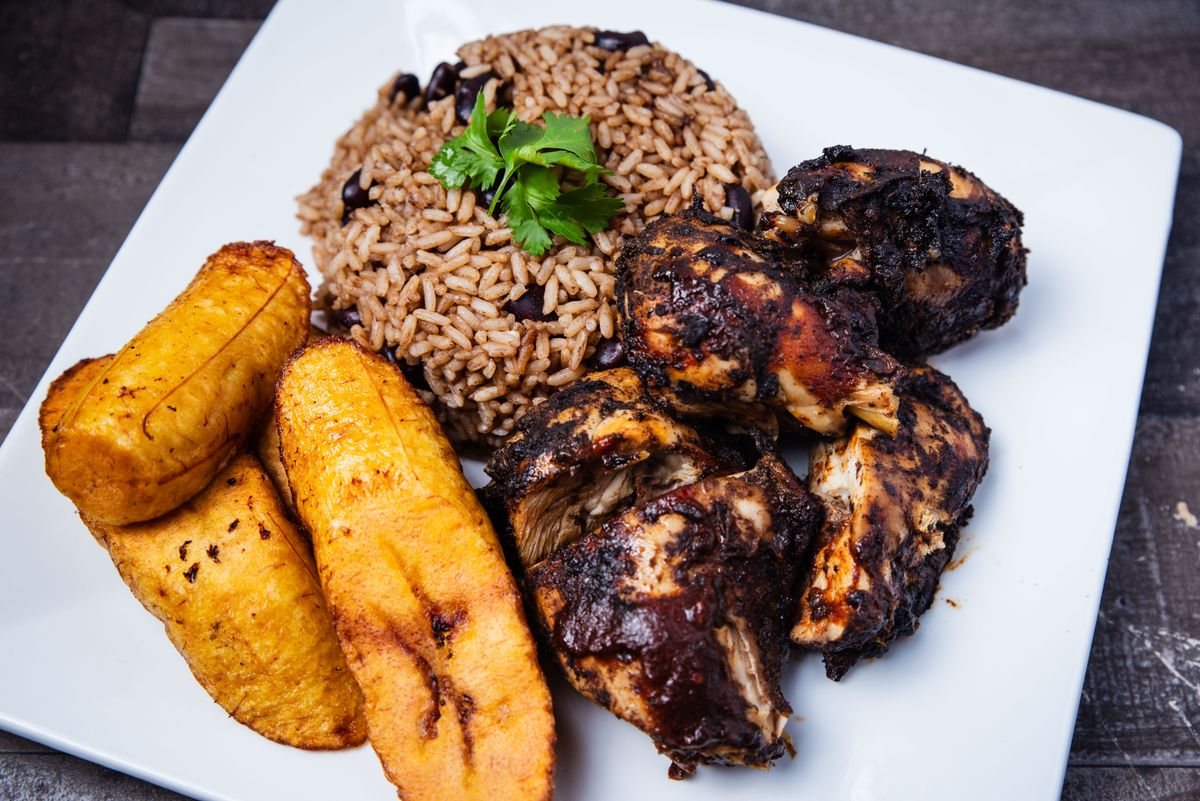
Denver is not the first city most people associate with Caribbean cooking. The usual shortlist tends to start with Miami, Brooklyn, maybe parts of South Florida or Houston, then branch into island communities with deep roots and decades of migration behind them. Yet that narrow picture misses what is happening here. Caribbean food in Denver has been building its own following, quietly at first, then with more confidence, more range, and more cooks willing to bring serious flavor to a city that has grown much more adventurous at the table.
That matters because Caribbean cuisine is not a single lane. It is one of the most layered food traditions anywhere in the Americas, shaped by African, Indigenous, Spanish, French, British, Indian, Chinese, and Dutch influences, then sharpened by climate, trade, migration, and necessity. A plate of jerk chicken, a bowl of oxtail stew, a flaky beef patty, a side of rice and peas, a spoonful of plantains, these are not interchangeable “tropical” foods. They come with distinct techniques, different spice profiles, and long culinary lineages. When they are done well, they taste vivid and complete, not heavy-handed, not gimmicky, and never one-note.
Denver is a good city for this kind of cooking, even if it took time to prove it. People here respond to strong seasoning, slow braises, charcoal smoke, bright sauces, and dishes that feel generous without being careless. The same dining public that embraces green chile, pho, Ethiopian stews, and regional Mexican specialties is increasingly open to the kind of depth Caribbean kitchens bring. Once that door opens, it tends to stay open.
Why Caribbean flavors land so well in Denver
Altitude changes cooking in subtle ways, but it also changes appetite. Denver diners often want food with backbone. Crisp air and long winters create a natural audience for braised meats, rice dishes, fried snacks, rich gravies, and spice blends that wake up the palate. Caribbean food delivers all of that, yet it also carries brightness. Citrus, Scotch bonnet heat, thyme, allspice, scallion, garlic, ginger, coconut, vinegar, and fresh herbs keep the food lively.
That balance is part of the appeal. A good jerk plate is smoky, spicy, and aromatic, but the heat is not there simply to challenge you. It works with sweetness, char, and herbal freshness. A proper curry goat dish can be deeply savory and warming, but the spices should feel rounded rather than dusty. Fried plantains bring caramelized sweetness, but they also steady the salt and spice elsewhere on the plate. This kind of cooking understands contrast.
I have seen plenty of diners in Denver arrive at Caribbean restaurants expecting one signature dish and leave talking about sides, sauces, and textures they did not anticipate. That usually happens when the kitchen respects the details. Rice should not be an afterthought. Beans should taste like they were cooked with intention. Cabbage should have life to it. Even a simple patty should shatter a little when you bite in, then give way to seasoned filling with enough moisture to feel complete.
One cuisine, many islands, many histories
One of the most useful ways to approach Caribbean food in Denver is to stop treating it as a monolith. Jamaican cooking is often the entry point for many Americans, largely because jerk, patties, and oxtails have become recognizable reference dishes. But Jamaican food is only one thread. Trinidadian cooking brings roti traditions, doubles, and a powerful Indo-Caribbean influence. Cuban food has its own structure, with roast pork, black beans, rice, yuca, and sandwiches that rely on balance rather than brute force. Puerto Rican cooking leans on sofrito, adobo, plantains, and dishes like pernil and arroz con gandules. Haitian food carries its own beautiful identity through epis, pikliz, griot, diri kole, and long-simmered depth.
These distinctions matter at the table. They also matter when you are deciding where to eat. A restaurant that does a compelling Jamaican menu may not be trying to represent the whole Caribbean, and it should not have to. In fact, restaurants often improve when they narrow the lens and cook from a specific place, family memory, or regional tradition. The food becomes clearer. The seasoning gets more confident. The menu stops trying to be everything and starts tasting like someone’s actual point of view.
Denver’s growing food culture tends to reward that kind of specificity. It is one reason the city now supports more specialized cooking across the board. Guests are more willing than they once were to learn the differences between styles of curry, understand why one pepper sauce is sharper than another, or appreciate that a coconut rice preparation from one island may look familiar but taste completely different from another.
What to look for on the plate
When people search for caribbean food denver, they are often looking for a restaurant recommendation, but the better question is what tells you the kitchen knows what it is doing. There are a few clues.
First, the aroma should hit before the first bite. Caribbean cooking leans heavily on marinades, fresh seasoning bases, smoke, and layered spice. If the food smells flat, it usually tastes flat. Second, the sides should feel integrated into the meal, not like cafeteria filler. Rice and peas, stewed cabbage, plantains, macaroni pie, festival, or beans all carry part of the story. Third, heat should have purpose. Scotch bonnet peppers bring fruitiness as well as burn, and the best kitchens use that character, not just the pain.
Texture also separates a memorable meal from a merely decent one. Jerk chicken should have char and moisture in the same bite. Oxtail should be tender enough to pull apart but not so overcooked that it loses shape completely. Fried items should stay crisp under sauce for at least long enough to reach the table with dignity. Rotis should be soft and pliable, not dry or leathery. Plantains should show caramelization, not just limp sweetness.
A lot of disappointed first-time diners are really reacting to shortcuts. Oven-baked “jerk” without smoke. Bland beans. Curry that tastes like powder rather than a developed spice blend. Meat that is tender but underseasoned inside. Those mistakes can happen anywhere, but they stand out more in Caribbean food because so much of the cuisine depends on depth built over time.
The dishes that win people over
Jerk is the obvious ambassador, but it is also one of the most misunderstood dishes in American dining. Real jerk is not a bottled sauce and not simply “spicy grilled chicken.” It is a method and a flavor profile, traditionally tied to pimento wood smoke, allspice, thyme, scallions, Scotch bonnet, and a marinade that penetrates the meat rather than sitting on top of it. Even when Denver kitchens adapt to equipment or ingredient constraints, you can usually tell who understands the soul of the dish.
Oxtail often converts skeptical diners faster than anything else. It has everything people crave in comfort food: gelatin-rich sauce, long-cooked tenderness, deep savor, and enough body to anchor rice or peas. It also rewards patience, which is why good versions tend to come from kitchens that take pride in process. Denver diners appreciate that. A city that loves slow barbecue and birria is primed to understand a serious oxtail stew.
Then there are patties, one of the most useful litmus tests in Caribbean cooking. They look simple. They are not. The pastry needs structure and flake without crumbling into dust, and the filling has to be seasoned enough to stand up to that crust. Good patties make excellent lunch food, excellent road food, and excellent gateway food for diners not ready to order a full platter.
Curries deserve more attention than they usually get. Indo-Caribbean traditions in particular bring a different texture and spice architecture than many diners expect. Goat, chicken, shrimp, chickpeas, and potatoes each absorb curry differently, and roti changes the whole experience because it turns the meal into something tactile. You tear, scoop, fold, and taste components together rather than in neat, separated bites.
Plantains may seem like a side note until you have a really good batch. At their best, they are deeply sweet, nearly custardy in the center, and crisped at the edges. They are not garnish. They are one of the easiest ways a kitchen can show care.
How Denver restaurants adapt without losing the point
Every regional cuisine shifts when it lands in a new city. Ingredient access changes. Labor costs change. Customer expectations change. Caribbean restaurants in Denver have to deal with all of that, plus practical realities around sourcing peppers, seasoning blends, fresh herbs, and in some cases cuts of meat that need time and margin to prepare properly.
The best operators adapt in intelligent ways. They may adjust heat levels slightly for a broad audience while still keeping sauce available for guests who want the full force. They may build menus that mix familiar crowd-pleasers with more traditional dishes, using one to support the other financially. They may lean into lunch service, catering, or takeout because these foods travel well if packed correctly. Rice bowls, platters, and stews can hold quality during delivery better than many delicate restaurant dishes.
Not every compromise is a bad one. Denver is full of smart, curious eaters, but it is still a market where a restaurant must explain itself quickly. A menu that includes a clear description of a dish, the right side pairings, and enough context to guide new guests can make the difference between a one-time visit and a regular customer. Education at the point of sale matters, especially with cuisines that many diners know only through a handful of familiar items.
What should not be compromised is seasoning. If a restaurant pares down complexity to make the food feel more “accessible,” it often removes the very thing that makes the cuisine memorable. Guests may not know every ingredient, but they know when food tastes alive.
The role of atmosphere, music, and hospitality
Caribbean dining is not only about what is on the plate. Atmosphere matters, and in many restaurants it is inseparable from the meal. Music, color, conversation, and the pace of service all help shape the experience. In Denver, where casual dining can sometimes drift into a polished but impersonal middle ground, Caribbean spots often feel more grounded. The room may be lively. People may talk across tables. A staff member may tell you exactly what they love on the menu, not with rehearsed script, but with real conviction.
That style of hospitality can catch people off guard if they are used to highly standardized service. Yet it is part of what makes these restaurants memorable. Warmth reads differently when it is not over-managed. A recommendation matters more when it sounds like something a person actually eats after work.
There is also a practical side to this. Many Caribbean kitchens are doing labor-intensive work with small teams. Some dishes take time. Some are made in limited batches. If something sells out, that can be a sign of integrity rather than poor planning. It means the restaurant chose freshness and focus over endless inventory.
Ordering well if you are new to the cuisine
If you are trying Caribbean food in Denver for the first time, order with range rather than playing it too safe. One familiar anchor, one house specialty, and a side or condiment you have never tried is usually the right move. It lets you get your bearings without flattening the experience into the single dish you already recognize.
A strong first meal often looks something like this:
- A jerk or curry main for depth and spice.
- Rice and peas or another traditional starch to understand the meal’s backbone.
- Plantains or cabbage for contrast.
- A patty, roti, or another handheld item if you want to sample beyond the platter.
- House hot sauce or pepper sauce on the side, so you can control intensity.
That is not about maximizing quantity. It is about seeing how the kitchen builds a plate. Caribbean food is often best understood through combinations. Rice alone tells you very little. Rice under oxtail gravy tells you much more.
If you do not tolerate heat well, say so, but do not assume every dish will be punishingly spicy. Many are aromatic first and hot second. On the other hand, if you love spice, ask what brings true heat rather than just chili flavor. Good staff will steer you toward the right choice.
Why authenticity is a slippery word
The word “authentic” gets thrown around so casually in food writing that it often loses usefulness. In Caribbean cooking, the problem gets even trickier because families, islands, and diasporas all carry their own versions of what is proper. One cook’s must-have ingredient is another cook’s unnecessary variation. One household sweetens a sauce; another never would. Some versions of a dish are rooted in memory, others in restaurant practicality, others in what ingredients are available in a given city.
So what should diners in Denver actually look for? Not purity for its own sake. Look for coherence, technique, and conviction. Does the food taste like it belongs to a tradition, even if the restaurant is making room for local conditions? Does the menu seem copied from stereotypes, or does it reflect a real perspective? Is the cooking careful enough that someone from that background would recognize the intention immediately?
Those questions are more useful than caribbean food denver authenticity as a blunt instrument. They also leave room for evolution, which every living cuisine needs.
The business reality behind the plate
Running a Caribbean restaurant in Denver is not easy. Margins are tight, labor is expensive, and many dishes demand long marination, long simmering, or highly specific prep. Customers often compare prices to fast casual meals without seeing the hours behind a tray of oxtails or the cost of making a proper spice base from scratch. Add in rent, staffing, packaging, and supply fluctuations, and it becomes clear why these businesses need loyal repeat customers, not just curious one-time visitors.
That has shaped the way many Caribbean operators build their presence. Some start with catering. Some begin as food trucks or pop-ups. Some focus on lunch and takeout before expanding. In practical terms, this often produces better food. The menu stays tighter. Prep stays disciplined. Best sellers emerge naturally. By the time the restaurant broadens its offerings, it has a stronger foundation.
Denver’s diners can help sustain that ecosystem by ordering beyond the safest item, showing up outside of novelty spikes, and understanding that a dish made with care may cost more than a generic combo elsewhere.
What the future looks like for Caribbean food in Denver
The outlook is strong, largely because the city’s palate keeps expanding and because Caribbean cuisine rewards repeat eating. This is not trend food that fades once the Instagram moment passes. It is deeply satisfying, highly adaptable to takeout and catering, and broad enough to support both comfort staples and more region-specific specialties.
I expect the next growth phase to come from greater specificity. More island-focused menus. More Indo-Caribbean representation. More Haitian and Puerto Rican visibility. More chefs willing to trust guests with dishes that are less familiar but more personal. Denver has reached the point where a restaurant does not need to flatten every edge to survive. Distinctiveness now has a market.
There is also room for Caribbean flavors to influence the broader dining scene, though that comes with a caution. Fusion works only when the cook understands the source material deeply enough to preserve its logic. Jerk seasoning on everything is not creativity. It is branding. But thoughtful cross-pollination, say, a chef applying Caribbean marinades, sauces, or braising techniques with respect and precision, can be exciting.
For diners, the opportunity is simple. Follow the smell of smoke, spice, and slow cooking. Order the side dish that seems too humble to matter. Ask questions. Return for the item you skipped the first time. Caribbean food in Denver is not a curiosity anymore. It is part of the city’s culinary conversation, and when the cooking is right, flavor does not just show up. It takes over the table.
Reggae Pot Jamaican Grill
2243 S Monaco St Pkwy, Suite 104
Denver, CO 80222
(720) 410-2956
FAQ About caribbean food denver
What is a typical Caribbean meal?
Caribbean cuisines vary by island. A Jamaican meal might pair jerk chicken or oxtail with sides such as rice and peas, cabbage, or fried plantains.
What is Jamaica’s national dish?
Ackee and saltfish is widely recognized as Jamaica’s national dish. Check the current menu for availability.
Is Caribbean jerk the same as Jamaican jerk?
Jerk is a Jamaican cooking tradition associated with seasoning and slow cooking or grilling. The exact heat level and preparation vary by cook.