How Denver Is Embracing Jamaican Food Culture
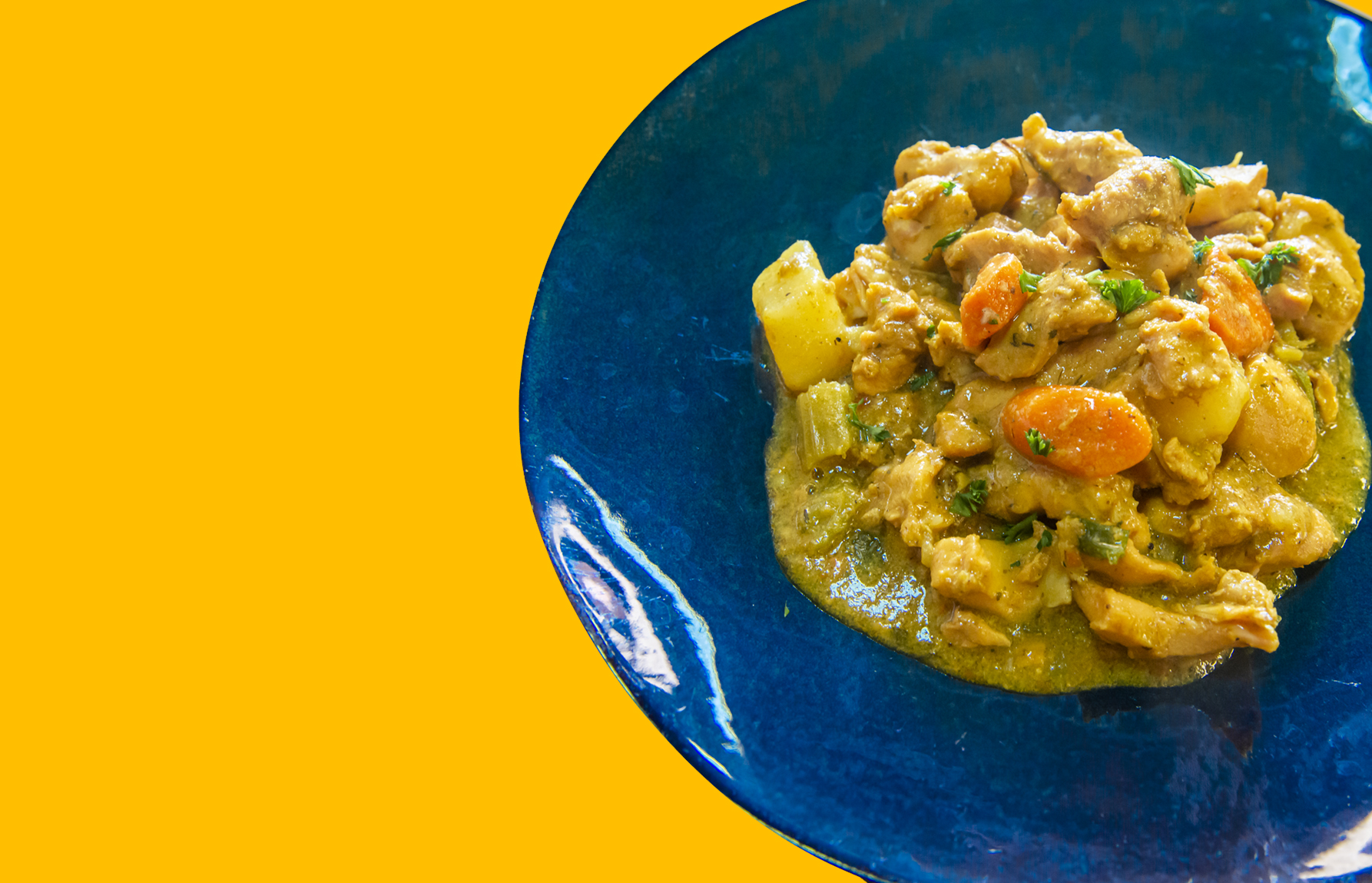
Denver has never been a one-note food city. For years, the conversation centered on steakhouses, green chile, breweries, and the steady rise of chef-driven neighborhood restaurants. That picture is broader now. The city eats with more curiosity than it did a decade ago, and one of the clearest signs of that shift is the growing enthusiasm for Jamaican food.
That enthusiasm is not just about heat, novelty, or the appeal of a plate that looks good on social media. It runs deeper. Jamaican cooking brings smoke, spice, sweetness, acidity, and slow-cooked depth in a way that feels generous and memorable. It also carries a strong sense of place and history. In Denver, where diners increasingly want food with identity rather than food that could have come from anywhere, that matters.
The phrase "jamaican food denver" has become more relevant because the city is finally catching up to what many other places learned long ago. Jamaican food is not a side curiosity or a once-a-year festival stop. It belongs in the weekly restaurant rotation, the office lunch order, the late afternoon takeout run, and the neighborhood gathering.
Why Jamaican food resonates in Denver now
A city’s tastes do not change all at once. They shift through thousands of small choices, made by cooks, restaurant owners, and diners who decide they want something fuller, bolder, and less generic. Denver is at that stage with Jamaican food.
Part of the appeal is sensory. Good jerk chicken does not whisper. It arrives perfumed with allspice, thyme, scallion, Scotch bonnet, smoke, and char. Curry goat carries warmth and richness that lingers. Rice and peas, cabbage, fried plantains, and patties round out a meal in a way that feels complete rather than decorative. These are dishes with backbone.
Part of it is also seasonal, which may sound surprising in a city known for altitude, snow, and dry air. Denver’s climate makes people crave comfort much of the year. Jamaican food delivers comfort without heaviness alone. Even the richer dishes are often balanced by sharp marinades, pepper heat, fresh herbs, and bright sauces. That mix plays well here. On a cold day, a braised dish lands exactly right. On a warm patio afternoon, jerk and grilled fish feel just as natural.
There is another reason, and it is less about flavor than maturity. Denver diners have become more fluent. They are less interested in flattened "Caribbean-inspired" menus and more interested in distinct traditions. Jamaican food benefits from that change because it rewards attention. A serious kitchen can explain why one curry tastes different from another, why jerk is more than a hot rub, or why a beef patty means more than a handheld snack.
More than jerk chicken
Jamaican food often gets reduced to one or two famous dishes, usually jerk chicken and patties. Those dishes deserve their popularity, but they can also trap diners in a narrow view. When Denver restaurants and pop-ups present the broader range of Jamaican cooking, people tend to stay engaged.
Ackee and saltfish, oxtail, escovitch fish, brown stew chicken, mannish water, festival, coco bread, callaloo, and soup traditions all tell a more complete story. Even the side dishes matter. Rice and peas is not just filler. It can anchor a plate with coconut richness and gentle seasoning. Cabbage can bring sweetness and crunch. Plantains can move from soft and caramelized to crisp-edged, depending on the cook and the ripeness of the fruit.
In practice, this broader menu education often happens one plate at a time. A diner comes in for jerk chicken because it feels familiar enough. On the second visit they add a patty. On the third, they try oxtail. Once that progression starts, loyalty tends to follow. Jamaican food is particularly good at creating regulars because so many dishes invite repeat visits.
The role of community, not just commerce
The growth of Jamaican food in Denver is not only a restaurant trend. It is also a community story. Food businesses often serve as informal cultural centers, especially for diasporic communities. They become places where language patterns, music, recipes, and family habits remain visible rather than diluted.
That matters in a city where many transplants are still figuring out what local identity means. A Jamaican restaurant can anchor people who grew up with the cuisine, but it also introduces others to a living culture rather than a themed version of one. You hear a certain music in the room. You notice how regulars order. You learn that spice level is not a stunt but part of balance. You realize the difference between a plate made for broad approval and one made with conviction.
Denver has seen this pattern before with other cuisines. First comes curiosity, then pop-up momentum, then a few reliable brick-and-mortar spots, then crossover into mainstream dining habits. Jamaican food seems to be moving through that arc, though not without friction.
The challenge of cooking Jamaican food well at altitude
Denver is not the easiest city in which to reproduce a cuisine shaped by tropical agriculture, coastal trade, and humid conditions. Altitude affects cooking times, moisture retention, frying behavior, and even how dough performs. Anyone who has cooked professionally here knows that recipes imported from sea level often need adjustment.
That challenge is especially relevant for items like patties, breads, and some braises. A flaky crust can dry out faster. Frying requires tighter control. Smoked meats behave differently in dry air. Scotch bonnet peppers can also vary wildly in intensity depending on supplier and season, which means consistency takes attention.
Then there is sourcing. Some ingredients are easy to obtain, especially in a metro area that has expanded its international markets and distributor networks. Others are less predictable. Fresh callaloo, proper Scotch bonnets, certain spice blends, quality goat, and specialty produce can require effort, flexibility, or relationships with specific vendors. Owners who make Jamaican food in Denver often have to become excellent problem-solvers, not just cooks.
When those constraints are handled well, diners rarely notice. They just taste a plate that feels whole. But behind https://milosrfj921.publishlane.com/posts/jamaican-food-in-denver-top-restaurants-and-signature-dishes that plate is a lot of adaptation. It is one thing to make Jamaican food occasionally for a family gathering. It is another to produce it at volume, maintain standards, and preserve character in a different climate and market.
What Denver diners are responding to
Several qualities tend to pull Denver diners toward Jamaican food and keep them coming back.
- Strong, layered flavor that does not rely on excess richness alone
- Clear cultural identity, which makes the meal feel specific and memorable
- Good takeout performance, since many Jamaican dishes travel well
- Range across moods, from quick patties to slow, celebratory braises
- Hospitality that often feels personal rather than transactional
That third point deserves more attention than it usually gets. Denver is a city with heavy takeout habits, partly because of geography, partly because neighborhoods are spread out, and partly because many people dine around work schedules and commuting patterns. Jamaican food generally holds up well in transit. Rice dishes stay stable. Stewed meats often improve after a short rest. Patties remain portable. For operators, that is an advantage. For customers, it means the first experience can happen at home and still be persuasive.
Pop-ups, festivals, and the road to permanence
One reason Jamaican food has gained traction in Denver is that the barrier to entry does not always begin with a full restaurant lease. Pop-ups, catering, food trucks, and market stalls have become practical proving grounds for many cuisines. They allow cooks to test demand, refine menus, and build a base before taking on the cost of a permanent location.
This matters in Denver because the economics of opening a restaurant are not forgiving. Rent, labor, insurance, permitting, and equipment can overwhelm even a talented operator. Pop-ups create room for cultural food businesses to build trust first. A chef can find out which dishes resonate, whether spice levels need explanation, and what kind of service format works best.
In my experience, these smaller formats also educate diners more effectively than people assume. At a pop-up, customers are often more willing to ask questions. They want to know what is in a sauce, what side to choose, or whether a dish is traditionally spicy. Those interactions become part of the audience-building process. By the time a business expands, the customer base is already somewhat informed.
Festivals and community events help too, though they can be a mixed blessing. They are excellent for visibility, but they can flatten a cuisine into a few crowd-friendly items. Jerk plates and patties are easy sellers at events because they are familiar and efficient. The deeper repertoire often emerges later, once diners return in a calmer setting.
The balance between authenticity and adaptation
Few words create more confusion in food writing than "authentic." In practice, restaurant owners are usually balancing fidelity to tradition with the realities of a specific market. That does not mean watering things down by default. It means making decisions, some easy, some uncomfortable.
Should the jerk be as hot as it would be for regulars who grew up eating it, or moderated for a broader audience? Should a menu explain dishes in detail, or trust the customer to ask? Should sides be standardized for speed, or offered in the combinations people expect from home? Should the kitchen substitute ingredients when supply gets tight, or remove the dish for the day?
There is no single correct answer. Some operators win by staying uncompromising. Others build a wider audience through careful translation. The strongest places usually know exactly where they will bend and where they will not. They may adjust heat a little, but not the spice profile. They may streamline the menu, but not the cooking method. They may add familiar service touches, but keep the food’s structure intact.
Denver diners are more ready for that honesty than they used to be. A decade ago, some restaurants felt pressure to soften anything assertive. Today, many customers actively seek dishes that retain their original character.
Jamaican patties and the power of everyday food
If there is one item with the potential to move Jamaican food deeper into Denver’s daily habits, it may be the patty. Not because it is the most elaborate dish, but because it fits modern life so well. It is portable, affordable, and satisfying. It works as lunch, a snack, or a late bite. It introduces spice and texture without requiring a full sit-down meal.
That kind of food can quietly change a city. A person who might hesitate to order goat or oxtail will buy a beef patty without overthinking it. Then maybe they try coco bread. Then a full plate next time. Everyday food lowers the stakes. That is often how cuisines become woven into local routine.
The same is true for lunch specials and steam-table service. A lot of serious food culture grows through practical meals, not special occasions. When people can get a reliable plate of jerk chicken, rice and peas, and cabbage on an ordinary Tuesday, the cuisine stops feeling occasional.
What restaurants have to get right
Jamaican food has huge upside in Denver, but it is not immune to the operational problems that challenge any restaurant here. The businesses that last tend to do a few things especially well.
First, they manage expectations around timing. Many Jamaican dishes are not built for frantic, made-to-order speed. Braises take time. Proper jerk takes planning. If a restaurant is not a fast-casual assembly line, it helps to communicate that clearly. Customers are usually patient if the payoff is obvious.
Second, they train front-of-house staff to speak confidently about the food. Nothing undermines a culturally specific menu faster than a service team that cannot explain it. Guests do not need a lecture, but they do need guidance. A simple explanation of heat level, preparation style, or side dish goes a long way.
Third, they maintain discipline with smoke, spice, and salt. Jamaican food should be vivid, not blunt. I have seen kitchens miss the mark in two directions, either muting flavors too much or pushing seasoning so hard that the dish loses definition. The best versions taste deliberate. The allspice is present, not muddy. The pepper has purpose. The sweetness does not feel accidental.
Finally, they understand that atmosphere matters. Music, pace, hospitality, and room energy all shape how people read a cuisine. Jamaican food often shines brightest in places that feel lived in rather than overdesigned.
How Denver neighborhoods shape the experience
Denver is not one dining district. It is a patchwork of neighborhoods and adjacent cities, each with its own rhythms, parking realities, rent pressures, and customer behavior. That affects how Jamaican food takes root.
In a dense, trend-conscious area, a Jamaican concept may benefit from foot traffic and a crowd eager to try something new, but it may also face pressure to package itself in ways that fit a polished dining scene. In more residential parts of the metro, especially areas where immigrant communities already shop and gather, the customer base may be steadier and more food-focused, though less visible to the citywide media conversation.
This split matters because some of the best food in any metro area exists outside the most talked-about blocks. Anyone seriously exploring jamaican food denver should be willing to drive, ask questions, and follow community recommendations rather than only headline lists. The restaurants that carry a cuisine forward are not always the ones getting the most attention online.
A cuisine that rewards repeat visits
Jamaican food does not always reveal itself fully on the first visit. That is part of its appeal. You may start by noticing the obvious things, smoke, pepper, tenderness, sweetness. Later you begin to notice the supporting details. The way the gravy settles into rice. The difference between one curry blend and another. The role of thyme, ginger, scallion, or browning sauce. The way a cabbage side can reset the palate between bites of richer meat.
This is one reason the cuisine travels well across customer types. A casual diner can enjoy the immediate pleasure. A more serious food person can keep finding nuance. Families can order broadly and share. Solo diners can settle into a reliable favorite. That flexibility is one of the strongest arguments for Jamaican food’s long-term place in Denver.
The city’s next step
For Denver to truly embrace Jamaican food culture, not just sample it, the next step is consistency of support. That means more than turning out for a festival or posting a beautiful plate online. It means repeat business in ordinary weeks. It means being open to dishes beyond the obvious. It means understanding that some of the best food traditions ask for patience, trust, and a willingness to eat on the cook’s terms now and then.
It also means making room for different expressions of the cuisine. Not every Jamaican business has to look the same. Some will be casual counter-service spots. Some will focus on patties and baked goods. Some may lean into family-style plates, others into modern presentation. A healthy food culture leaves space for both tradition and interpretation, provided the cooking stays honest.
Denver is ready for that kind of growth. The city has the appetite, the demographic churn, and the increasingly adventurous dining culture to support it. More important, diners here have started to value food with roots. Jamaican cooking offers exactly that. It carries memory, technique, resilience, and pleasure all at once.
When a city embraces a cuisine like this, the shift shows up in small, durable ways. People learn how they like their jerk. They know where to get a patty on a busy afternoon. They develop opinions about oxtail, plantains, and escovitch. They bring friends from out of town to places that feel specific to the city’s present, not stuck in its past.
That is where Denver seems to be heading. Jamaican food is becoming part of the local conversation not as a passing trend, but as one of the many cuisines helping define what the city now tastes like.
Reggae Pot Jamaican Grill
Address: 2243 S Monaco St Pkwy #104, Denver, CO 80222
Phone number: +17204102956
FAQ About Jamaican Food Denver
What is typical Jamaican food?
Typical Jamaican food features bold, vibrant flavors created by blending African, Taino, European, and Asian influences.
What is a famous Jamaican dish?
Ackee and saltfish is Jamaica's national dish, made by sautéing the soft local ackee fruit with salted cod, onions, tomatoes, and spicy Scotch bonnet peppers.
What food is most popular in Jamaica?
The most popular and famous food in Jamaica is Jerk Chicken, celebrated worldwide for its smoky, spicy flavor.