The Best Ways to Experience Jamaican Food Authentically
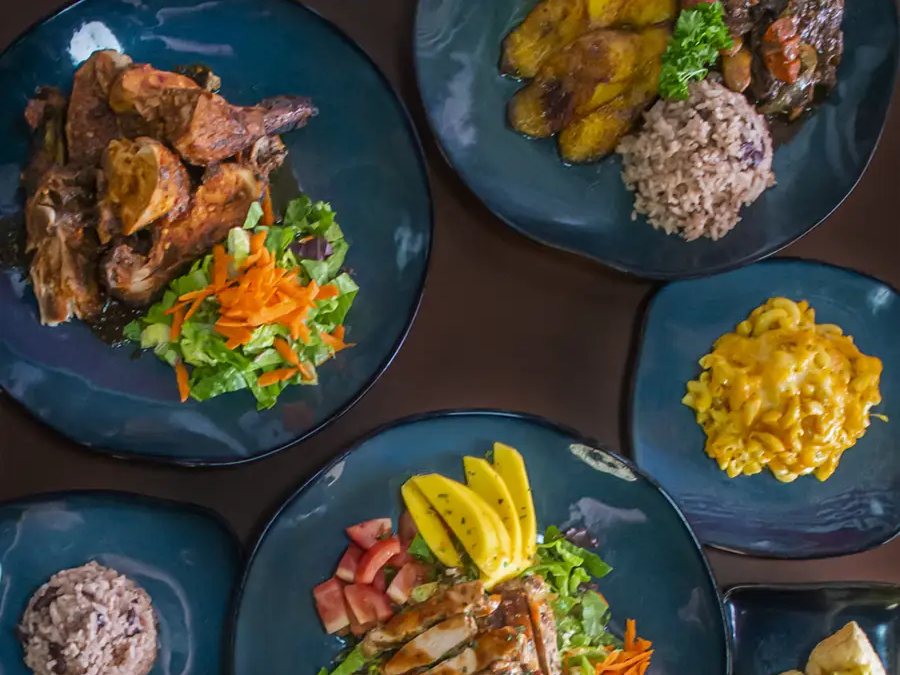

Jamaican food is often introduced through a few famous dishes, usually jerk chicken, patties, and perhaps a plate of rice and peas. That is a start, but it is not the whole story. To experience it authentically, you have to understand that Jamaican cooking is as much about place, timing, and community as it is about ingredients. The same jerk pork tastes different when it is eaten off a roadside pan in St. Ann than when it is plated in a polished dining room abroad. A bowl of mannish water has a different meaning at a Saturday gathering than it does on a tasting menu. Context matters.
That is true of most cuisines, but especially true here. Jamaican food carries the imprint of African, Indigenous, European, Indian, and Chinese influences, shaped by the island’s agriculture, trade, hardship, ingenuity, and celebration. It is a cuisine built on smoke, spice, starch, herbs, preservation, and bold seasoning, but also on judgment. A good cook knows when the scallion should dominate, when thyme should stay in the background, and when Scotch bonnet should give fragrance rather than raw heat.
If you want the real experience, it helps to move beyond the idea of “trying Jamaican food” as if it were a single event. The best approach is slower and more observant. Eat where Jamaicans eat. Pay attention to the hour of the day. Notice what is served on weekdays versus weekends, in the hills versus on the coast, at a cookshop versus at a family gathering. The authenticity is not only in the recipe. It lives in the rhythm around the meal.
Start with the places that feed everyday life
One of the most reliable ways to encounter authentic Jamaican food is to seek out ordinary food settings instead of special-occasion versions first. In Jamaica, everyday cooking carries tremendous depth. Small cookshops, pan chicken stands, roadside jerk pans, and community bakeries often tell you more about the cuisine than restaurants designed around visitors.
A roadside jerk spot is a good example. If you have only had jerk from a supermarket marinade or a generic grill menu, the difference can be startling. Proper jerk is not just spicy grilled meat. It is a method and a flavor structure. The pimento wood smoke matters. The allspice and Scotch bonnet matter. The way the meat is seasoned ahead of time matters. So does the holding process, where smoke, heat, and fat continue to work on the meat. At a strong jerk stand, you smell the pimento smoke before you see the pit. The chicken skin carries char and spice, while the pork develops those dark, sticky edges that are impossible to fake in a hurry.
Cookshops offer another side of Jamaican food that many visitors miss. These places often serve curried goat, brown stew chicken, stewed peas, oxtail, escovitch fish, and vegetable sides that are deeply familiar to local diners. The food is practical, filling, and often excellent. You may see a short menu, but that is not a weakness. A cookshop that makes six dishes well is usually more trustworthy than a place trying to perform thirty.
There is also a social clue that helps. If people are coming in steadily, ordering quickly, and speaking to the staff like they have been there for years, you are probably in the right place. Good Jamaican food often inspires loyalty rather than spectacle.
Understand that time of day changes the menu
Many people approach Jamaican food as though the same dishes are available, or should be available, all day. That expectation can flatten the experience. Authentic eating on the island follows a rhythm, and some of the best meals appear at very specific hours.
Breakfast is its own universe. Ackee and saltfish is the dish many people know, and rightly so. When done well, ackee is delicate, almost buttery, and should never be mashed into a paste or drowned in grease. Saltfish brings salinity and structure, while onions, tomatoes, scallion, black pepper, and Scotch bonnet round it out. The plate usually needs its starches, fried dumplings, boiled green bananas, roasted breadfruit, yam, or festival, depending on the house and the mood.
But breakfast in Jamaica is not only ackee and saltfish. It may also be porridge, made from cornmeal, peanut, banana, oats, or plantain, often enriched with spices and sweetness. It may be liver, mackerel rundown, callaloo, or leftovers repurposed into a morning meal. That range tells you a lot about the culture. Breakfast is often substantial. It is meant to hold you.
Midday brings patties, soups, and lunch plates. In the evening, jerk stands, fried fish spots, and stewed dishes come into fuller view. On weekends, especially Saturday, the food landscape can shift again. Soup, mannish water, roast yam, and certain social dishes become more visible. If you want to eat authentically, follow these rhythms instead of insisting on a fixed itinerary.
Learn the difference between iconic dishes and daily staples
Visitors often chase signature dishes while missing what people actually eat often. The two overlap, but not perfectly. Jerk is iconic. Patties are iconic. Ackee and saltfish is iconic. Yet authenticity also lives in steamed cabbage, pumpkin rice, run down, red peas soup, fried sprat, and a dozen combinations that rarely make tourism campaigns.
Rice and peas is a useful example. Outside Jamaica, it is frequently treated as an interchangeable side. On the island, it is much more specific. Traditionally made with kidney beans or gungo peas, coconut milk, thyme, scallion, Scotch bonnet, and sometimes pimento, it is less about heaviness than about aroma and balance. The rice should be separate, not mushy. The coconut should be present but not cloying. When paired with oxtail or chicken, it does not merely sit beside the main dish. It completes it.
The same goes for callaloo. This is not just “greens.” In a good Jamaican kitchen, callaloo is handled with care so it keeps body and flavor. It can be sautéed simply or folded into a fuller breakfast spread. It can be earthy, peppery, and clean at once.
Authenticity often appears in these quieter dishes because they reveal what cooks do without trying to impress you. When a simple cabbage side is perfectly seasoned, softened but not overcooked, and fragrant with carrot, onion, and thyme, that is real skill.
Seek out regional and situational differences
There is no single Jamaican food experience that covers the whole island. Regional habits, family traditions, and local ingredients shape the table in ways that matter. Coastal areas may emphasize fish and seafood with a freshness that changes the meal entirely. Inland communities may lean harder on ground provisions, soups, and meat stews. Rural cooking can feel different from urban cooking, not necessarily better or worse, but often closer to agricultural cycles and homegrown produce.
Even one dish can vary meaningfully. Escovitch fish in one area may lean brighter and sharper with vinegar and pickled vegetables. In another, the seasoning profile may shift. Curry goat can range from deeply earthy and slow-cooked to lighter and more aromatic, depending on the cook’s hand and the spice blend used. A festival might be more sweet in one place, more restrained in another.
This is where many people get tripped up. They taste one version and assume they now understand the dish. A more grounded approach is to notice variation without rushing to judge one version as the only real one. Jamaican cooking has standards, yes, but it also has living diversity. Authenticity is not rigidity. It is continuity with room for local identity.
Do not ignore the starches and sides
One of the easiest mistakes is to focus only on the protein. In Jamaican food, the sides carry history, texture, and satisfaction. Ground provisions such as yam, green banana, and coco are not filler. Breadfruit is not an afterthought. Dumplings are not just there to bulk up the plate. These foods shape the meal’s logic.
Breadfruit, for instance, can be roasted, fried, boiled, or turned into chips, and each treatment changes its personality. Roasted breadfruit with ackee and saltfish can be one of the most satisfying breakfasts on the island. The dry, starchy, lightly smoky flesh does exactly what it should, absorbing richness and balancing salt.
Festival deserves the same respect. A well-made festival has a delicate sweetness and a tender interior with a lightly crisp exterior. It belongs especially well with fried fish or jerk, where it offsets heat and acidity. A bad festival is dense and forgettable. A good one makes the plate make sense.
If you want to understand Jamaican food deeply, spend as much attention on the starches and vegetables as you do on the famous meats.
Visit a market before you sit down to eat
A market can teach you more about Jamaican cooking in half an hour than a polished menu can in a full evening. You see the Scotch bonnet peppers piled high, the bunches of thyme and scallion, the yams and bananas, the callaloo, pumpkins, coconuts, saltfish, and seasonal fruit. Suddenly the food stops being abstract.
This is also where you begin to understand why Jamaican cooking tastes the way it does. The produce is not incidental. A ripe June plum, a fresh coconut, a proper yam, or a fragrant bunch of thyme changes the character of a dish. The best cooks know this instinctively. They are not relying on formulas. They are responding to what is available and at its best.
I have found that people who visit markets before they eat become better diners. They ask better questions. They recognize ingredients on the plate. They understand why one soup feels rooted and another feels generic. In Jamaica, that connection between market and kitchen remains strong, and it is worth seeing for yourself.
Let street food teach you its own rules
Street food is not a lesser version of the cuisine. In many cases, it is one of the clearest expressions of it. A patty from a respected bakery, eaten hot, flaky, and slightly messy, can tell you a great deal about Jamaican taste. The crust should have character. The filling should be well-seasoned and distinct, whether beef, chicken, vegetable, or saltfish. Coco bread on the side turns it into a complete ritual.
Soup is another strong street and roadside category. Fish tea, red peas soup, chicken foot soup, and mannish water are not novelty items. They are functional, social, and deeply embedded in local foodways. A Saturday soup scene, with people gathering, talking, and eating from containers or bowls while the pot keeps steaming, offers a kind of authenticity no curated tasting can replicate.
A few habits can help you navigate street food well:
- Go where turnover is high, because freshness matters.
- Watch how the food is handled, especially with grilled meats and fried fish.
- Ask what is strongest that day instead of ordering by reputation alone.
- Eat some dishes immediately, especially patties and jerk, because they lose character as they sit.
- Bring cash and patience, because the best places are often efficient, not polished.
These are small practicalities, but they shape the experience. Jamaican food rewards flexibility. If the fish just came in or the soup pot is at its peak, that is what you should eat.
Eat with Jamaicans when you can
If there is one shortcut to authenticity, it is this. Share a meal with people for whom the cuisine is lived, not performed. That might happen through friends, family connections, a local host, or a community event. Food eaten in company reveals different layers. You notice how people build a plate, what gets passed around, which sauces or sides are optional and which are not, and what stories attach to certain dishes.
Home cooking often exposes a side of Jamaican food that restaurants struggle to convey. The seasoning may be less showy, the portions more intuitive, the combinations more personal. Someone’s grandmother may insist that a proper soup needs one ingredient another household skips entirely. One family may make sorrel with more ginger, another with more clove. These differences are not noise. They are the living body of the cuisine.
There is also etiquette embedded in these meals. Respecting the cook matters. Asking questions thoughtfully matters. Not every dish needs to be measured against what you had somewhere else. Sometimes the most authentic thing you can do is eat attentively and listen.
Be careful with “authentic” restaurant branding
Outside Jamaica, many restaurants advertise authenticity, and some truly earn the claim. Others rely on surface markers, a flag, a few familiar dish names, loud color, and maybe a playlist. The food tells the truth soon enough.
A genuinely strong Jamaican restaurant usually gets the fundamentals right before it tries to dazzle you. The gravy on a brown stew chicken should taste simmered, not rushed. The curry should have depth and warmth, not just turmeric color. The plantains should be caramelized, not dried out. The rice and peas should smell like coconut and thyme, not merely look beige and red. Pepper sauce should feel purposeful, not decorative.
This is where experience matters. Many kitchens abroad face constraints, from ingredient availability to customer expectations. Some adapt intelligently. Others flatten the cuisine to meet assumptions, toning down seasoning, simplifying textures, or overloading sugar into dishes that should have more balance. That does not automatically make the food bad, but it may move it away from authenticity.
When you are evaluating a restaurant, trust details over claims. A menu full of Jamaican names means little if the cooking lacks confidence.
Pay attention to smoke, spice, acid, and sweetness as a system
Jamaican food is bold, but not chaotic. The best meals show balance among four recurring forces: smoke, spice, acid, and sweetness. Once you start noticing this, the cuisine opens up in a more precise way.
Jerk uses smoke and spice, but often benefits from sweetness in the meat and a tart counterpoint from a side or condiment. Escovitch fish uses acid to sharpen fried richness. Stew dishes often carry sweetness from browning or slow-cooked onions, balanced by thyme, pepper, and savory depth. Even drinks and desserts fit into the same logic. Sorrel carries tartness, spice, and sweetness. A good rum cake has richness but also structure from spice and fruit.
This balance is one reason Jamaican food feels so satisfying when done well. It is not simply “spicy food.” That label is too blunt. The cuisine often works by layering sensations so one element sharpens another. The practical takeaway is simple: do not isolate dishes from their accompaniments. The fried fish wants the pickled vegetables. The jerk wants festival or bread. The heavy stew wants a side that steadies it.
Look beyond restaurants to the full food culture
To experience Jamaican food authentically, eat in https://israelpuqx230.theburnward.com/jamaican-food-favorites-that-make-every-meal-exciting more than one setting. A bakery in the morning, a market at midday, a cookshop lunch, a jerk pan after dark, a family table if you are lucky, and maybe a beachside fish stop on the weekend. Each setting reveals a different logic.
Food in Jamaica is also deeply tied to celebration, religion, migration, and class. You will notice dishes associated with holidays, parties, church events, funerals, roadside liming, and beach trips. Bun and cheese around Easter, soup on Saturdays, roast fish and bammy by the sea, and drinks like sorrel or Irish moss in specific contexts all enrich the picture. You do not need a lecture on history at every meal, but knowing that these patterns exist helps you eat with more awareness.
There is also value in cooking one or two dishes yourself after you have tasted them properly. Not because home cooking replaces the travel experience, but because attempting a dish teaches humility. Ackee can overcook quickly. Rice and peas can turn stodgy if the liquid is off. Jerk seasoning can become harsh if the allspice and heat are not balanced. Once you have tried to make these foods, you appreciate skilled Jamaican cooks more keenly.
What authenticity really feels like
Authentic Jamaican food rarely feels generic, and it rarely feels timid. It tastes seasoned all the way through. It reflects a specific hand. It often comes with some rough edges, a paper plate, a plastic chair, a long wait, smoke in the air, music nearby, and a sense that the food belongs exactly where it is.
That does not mean refined restaurants cannot serve authentic Jamaican food. Some absolutely can. It simply means polish is not the measure. Authenticity is better understood as fidelity to flavor, method, ingredients where possible, and cultural context. It can appear in a simple breakfast yard, a packed lunch spot, a beach shack, a bakery, or a restaurant that respects the cuisine enough not to dilute it.
The people who have the richest experiences with Jamaican food are usually the ones who stop chasing a checklist and start following the signals the culture provides. Eat what is in season. Eat what the place is known for. Ask what is good today. Return to the dishes that seem simple and see if they are actually profound. They often are.
If you do that, Jamaican food stops being a collection of famous names and becomes what it truly is: one of the most expressive, layered, and satisfying food cultures in the world.
Reggae Pot Jamaican Grill
2243 S Monaco St Pkwy #104
Denver, CO 80222
+1 720-410-2956
FAQ About jamaican food
What is the best Jamaican food to try in Denver?
The best choice depends on your tastes. Popular options include jerk chicken, curry goat, slow-cooked oxtail, and savory patties. Reggae Pot lists these dishes on its menu, with sides such as rice and peas and plantains. Ask the Denver team about current availability and spice levels.
Is Jamaican food very spicy in Denver?
Heat varies by dish and preparation. Jerk seasoning often includes scotch bonnet peppers alongside herbs and allspice, while other dishes may have gentler seasoning. Ask about the heat of the specific dish and any sauce before ordering.
What are some popular Jamaican snacks?
Jamaican patties are a popular snack made with flaky pastry and savory meat or vegetable fillings. Other options include fried dumplings and festival, a sweet fried dough often served with savory dishes. Availability varies, so check the current menu when ordering.