The Top Street-Style Jamaican Food You Have to Try
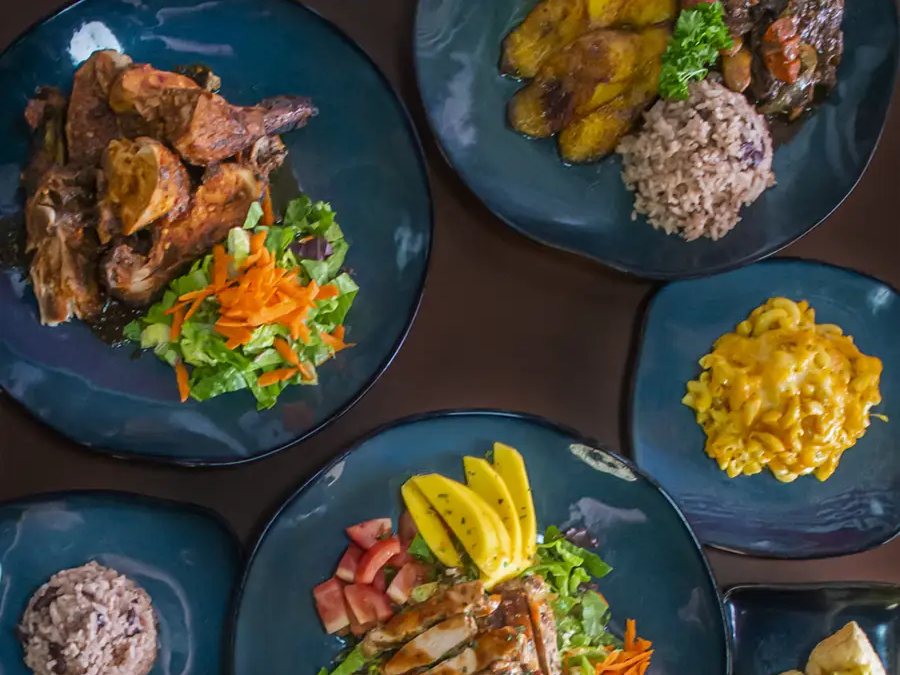
Street food tells you more about a place than most restaurant menus ever will. In Jamaica, that truth hits fast and memorably, often in the form of smoke from a jerk pan, the crackle of hot oil at a roadside stall, or the sight of schoolchildren lining up for a warm patty in the late afternoon. The best street-style Jamaican food is practical, deeply flavorful, and shaped by routine. It is made to feed people on the move, people heading to work, coming back from the beach, waiting on a taxi, or staying out late after a dance.
What makes Jamaican food so compelling at street level is the balance between intensity and familiarity. You get spice, sweetness, char, and heat, but you also get dishes built around staples that satisfy without fuss. Bread, yam, chicken, fish, pea soup, pastry, and cornmeal all appear again and again, transformed by seasoning and technique. The food is grounded in African, Indigenous, European, and South Asian influences, but it never feels academic on the plate. It feels alive, useful, and very personal.
If you want to understand the island beyond resort dining and polished tasting menus, start where locals eat standing up, leaning on a car hood, or carrying dinner home in a foil pan. These are the street-style Jamaican foods worth seeking out, and a few details that help you order well when you find them.
Jerk chicken, the standard that still surprises people
If there is one dish that defines the street-side experience of Jamaican food for first-time visitors, it is jerk chicken. That said, many people arrive expecting a generic kind of “spicy grilled chicken” and miss what makes real jerk distinctive. The flavor is not just chile heat. It is a full seasoning architecture built from pimento, Scotch bonnet, scallion, thyme, garlic, ginger, and often a little sweetness to round things out. Then there is the smoke, which matters as much as the marinade.
At the best roadside jerk spots, the chicken cooks slowly over pimento wood or charcoal in repurposed steel drums cut into horizontal grills. The meat takes on a dark exterior, almost black in places, but that surface should not taste burnt. It should taste seasoned and smoked, with a slight caramelized edge. Good jerk chicken has a clear line between the crust and the juicy flesh beneath it. If the seasoning only sits on top, something has gone wrong.
The side dishes are not an afterthought. Festival, those lightly sweet fried dough fingers, are especially good alongside jerk because they soften the heat and give you texture contrast. Bammy works too, especially if you want something less sweet. Bread can be surprisingly common at humble stalls, because it is cheap, filling, and useful for mopping up juices. A serious plate may also come with roast breadfruit, fried ripe plantain, or a spoonful of pepper sauce if the vendor trusts your confidence.
The trade-off with jerk chicken is timing. The best pan may sell out by late evening, and chicken that has sat too long can dry out fast. If you see constant turnover, that is a good sign. If the pan looks full but no one is buying, keep moving.
Jerk pork, richer, smokier, and often the better order
Jerk pork rarely gets the same tourist attention as jerk chicken, but among people who eat this food regularly, it is often the more exciting choice. Pork handles smoke beautifully. It also carries the spice blend in a deeper, more luxurious way because fat holds flavor. Done properly, jerk pork arrives chopped into irregular pieces with crisp edges, pockets of rendered fat, and enough moisture in the center to keep every bite lively.
There is also more variation in jerk pork from one vendor to another. Some chop shoulder into rough cubes, others slice mixed cuts more thinly. Some push hard on heat, while others lean into allspice and smoke. At a great stand, you can smell the richness before you even reach the counter.
The caution here is simple. Jerk pork is less forgiving than chicken if it is not cooked or held well. You want meat that has spent enough time over the fire to render and soften. Tough, greasy pork usually means poor handling, not that the dish itself is overrated. When the vendor is busy and the chopping board is active, jerk pork can be one of the best meals you eat on the island.
Patties, the most useful meal in Jamaica
A Jamaican patty is one of the smartest food formats ever created. It is portable, inexpensive, filling, and genuinely craveable. The shell should be flaky, lightly crisp, and often stained a rich yellow from turmeric or curry powder. The filling needs to be savory and moist, but not so wet that it destroys the pastry. A good patty is tidy enough to eat on the go but flavorful enough to feel like a full meal.
Beef is the benchmark, especially spicy beef, but patties have a broader range than many visitors realize. Chicken, curried chicken, vegetable, soy, lobster in some coastal areas, and saltfish versions all appear depending on the bakery or shop. The seasoning profile matters. Jamaican patties should not taste like plain ground meat in pastry. They need thyme, black pepper, onion, and enough spice or savor to make the filling stand out.
One of the great street habits in Jamaica is eating a patty in coco bread. The soft bread acts almost like a bun, taming the heat and turning a snack into something more substantial. It is not fancy, and that is exactly the point. It is efficient comfort food, the kind people actually build into ordinary days.
The best patties are freshest near baking cycles and commuting hours. Midmorning and late afternoon can be excellent times to buy. A patty held too long under a heat lamp loses the delicate break between crust and filling. When fresh, it flakes at the first bite and leaves a trail of pastry on your shirt if you are not careful.
Escovitch fish, sharp and bright at the roadside
Escovitch fish brings another side of Jamaican food into focus, one that values acid and freshness just as much as smoke and spice. Traditionally, a whole fish is fried until the skin turns crisp, then topped or dressed with a peppery vinegar mixture loaded with onions, carrots, and Scotch bonnet. The result is vivid and assertive. You get crunchy skin, tender flesh, and a bright top note that cuts through the fry.
This dish is common at beach shacks, fishing communities, and roadside seafood stops, especially on weekends. Snapper is a favorite when available, but the specific fish can vary. What matters most is freshness and frying skill. A good escovitch fish should still taste like fish, not only vinegar and heat.
There is a practical pleasure to eating it street-side. You sit with a cold drink, pick through the bones, and let the onions and pepper do their work. Bammy is the classic partner, particularly if it has soaked up a little fish stock or frying juices. Festival is another common side, though the sweetness changes the balance. There is no single correct pairing. Much depends on whether you want the meal to stay bright or tilt toward indulgent.
Escovitch has one small challenge for newcomers. It is often served whole, bones and all. If you are not used to that, slow down and pay attention. The reward is worth it.
Fried chicken, Jamaican-style, is its own category
People sometimes overlook fried chicken in Jamaica because jerk gets so much of the spotlight. That is a mistake. Street-side fried chicken on the island often has a pronounced seasoning identity, with bolder spice and more character than the standard fast-food version found elsewhere. The coating may be lighter or thicker depending on the vendor, but the seasoning should come through clearly in the crust and the meat.
In many towns, a fried chicken stop functions almost like social infrastructure. It feeds workers on a break, teenagers after school, families grabbing dinner on the way home, and night crowds looking for something hot and salty. It is common to see it served with chips, festivals, bread, or even a simple slaw. The meal is less ceremonial than jerk, perhaps, but every bit as woven into everyday life.
What separates strong vendors from forgettable ones is oil management and seasoning restraint. Over-spiced fried chicken can taste muddy. Under-seasoned chicken tastes like a missed opportunity. The best versions stay crisp for more than a few minutes, and the meat remains juicy without bleeding grease through the box.
Roast corn, simple and almost impossible to resist
Not every memorable example of Jamaican food comes in a foil container piled high with protein. Roast corn is one of the simplest and best roadside snacks on the island. Ears of corn are grilled over coals until the kernels pick up char and sweetness. Some vendors keep it plain, while others add butter, salt, or pepper. The appeal lies in the concentration of flavor that fire brings out.
It is a humble item, but in practice it works beautifully between heavier meals. If you have spent a day eating jerk, patties, and fried fish, a hot ear of roast corn can feel almost cleansing. It also tells you something useful about Jamaican street culture. Not everything is about excess. A lot of food culture is built around what is in season, what travels well, and what can be sold hot with very little fuss.
Good roast corn should be tender with some chew, not dried out. If it looks shriveled, skip it. If you can smell the sugar caramelizing from a few steps away, you are in the right place.
Mannish water and pepper pot soup, food with purpose
Soups in Jamaica are not always viewed as street food by outsiders, but they absolutely belong in the roadside conversation. On Saturdays especially, soup has a ritual quality. Mannish water, often made with goat parts and lots of green seasoning, has a reputation that extends well beyond its flavor. Pepper pot soup, meanwhile, leans into callaloo and other greens with a hearty, earthy depth.
These are not polite little cups of soup. They are robust, hot, and restorative. Vendors often serve them from large pots to customers who know exactly what they came for. They are ideal after a late night, during rainy weather, or any time someone wants food that feels strengthening rather than merely tasty.
For visitors, the main thing is to order with curiosity and without overthinking. You may encounter textures that feel unfamiliar, especially in mannish water. That is part of the experience. Jamaican street food is not designed to flatten every edge for tourists. It keeps its personality.
Roast yam and saltfish, a breakfast street classic
If your image of street-style Jamaican food begins and ends with lunch or late-night snacks, breakfast will reset your expectations. Roast yam served with ackee and saltfish, callaloo, or simply saltfish rundown can be found at early-morning stalls in many areas. The yam is roasted until the surface dries and the inside turns fluffy and dense. It is earthy, filling, and much more satisfying than it sounds if you have never tried it.
Saltfish brings the salinity and savor. Callaloo adds a grassy softness. Ackee, when available and properly prepared, lends richness that surprises people who assume breakfast must be light to be appealing. In Jamaica, breakfast often needs staying power. Many people are eating for a full working morning, not for a casual café pause.
This kind of meal also shows how street food can overlap with home cooking. There is no hard border between the two. A roadside breakfast stall may produce food that tastes every bit as grounded and domestic as something from a family kitchen.
Festival and bammy, the supporting players that often steal the meal
Some side dishes deserve almost as much attention as the mains they accompany. Festival and bammy are two of them, and understanding the difference can improve your orders immediately.
Festival is slightly sweet, fried, and soft inside with a light crust. It belongs next to spicy food because it cools and balances. Bammy, made from cassava, is denser and more neutral, often fried or steamed after soaking. It works particularly well with fish because it absorbs sauces without disappearing into them. If a roadside vendor offers both, your choice changes the whole meal.
Here is a useful rule of thumb when deciding between them:
- Choose festival with jerk or fried chicken if you want contrast and a touch of sweetness.
- Choose bammy with escovitch or roast fish if you want something sturdy that soaks up juices.
- Order both if you are sharing and want to understand why locals argue over pairings.
- Skip neither if the vendor makes them fresh, because texture matters more than people realize.
The quality gap between fresh and stale side items is enormous. Fresh festival has spring and warmth. Fresh bammy has body and a subtle cassava aroma. Versions that have been sitting too long can feel heavy and flat.
The drinks that make the food make sense
Street-style Jamaican food is often spicy, salty, smoky, or fried, which means the right drink does real work. A cold soda has its place, of course, but local choices can be more interesting. Ting, with its grapefruit sharpness, cuts through fried food beautifully. Irish moss is richer and more specific, not for everyone, but memorable. Coconut water from a fresh jelly coconut is a classic counterpoint to heat and sun. Sorrel, depending on season and preparation, brings spice and tart sweetness that can stand up to a heavy plate.
Vendors also know that beverage choice changes the pace of the meal. A sweet drink can soften a peppery lunch. A citrusy one keeps things brisk. On a hot day, coconut water can rescue your appetite between bites of jerk more effectively than anything sugary.
What to look for when choosing a street-food stall
Not every roadside stop is equal, and that is part of the reality of eating well anywhere. Experience helps, but a few practical cues go a long way. The strongest vendors usually show momentum. There is steady traffic, visible turnover, and a setup that looks cared for even if it is modest. You do not need polished signage or modern branding. You do need signs of habit and pride.
Watch how food moves. If jerk is being chopped continuously, that is promising. If patties are replenished in batches, good. If fried fish is made to order or close to it, even better. Also pay attention to smell. Smoke should smell appetizing, not acrid. Oil should smell hot and savory, not tired.
These details matter more than décor:
- Busy stalls usually mean fresher food and better turnover.
- Heat matters, hot food should actually be hot when served.
- Specialization is often a strength, one excellent dish beats ten mediocre ones.
- Side items reveal standards, stale festival or limp bammy can signal carelessness.
- Ask a local what sells out first, that answer is often more useful than any menu board.
One subtle edge case is the famous spot that has become too popular. Popularity is helpful, but some heavily hyped stalls start coasting. When that happens, service gets rushed, holding times increase, and consistency slips. Sometimes the smaller place a few miles away is doing better food with less noise around it.
Regional differences and why they matter
Jamaica is not so large that the food becomes unrecognizable from parish to parish, but there are real differences in emphasis, availability, and style. Coastal areas naturally lean more into fish and shellfish. Inland towns may give you stronger access to soups, roasted provisions, and meat-heavy plates. Urban zones can offer greater variety and longer service hours, while rural roadside cooking often excels in freshness and patience.
Even jerk varies in spirit. One cook may favor more smoke and less sauce. Another may chop the meat finer and drench it in spicy drippings. A patty from one bakery can have a delicately flaky shell, while another goes denser and more robust. None of this should be treated as error. It is part of the richness of Jamaican food culture.
This is where experienced eaters get the most pleasure. They stop asking which version is “authentic” in the abstract and start noticing which version is excellent in front of them.
The deeper appeal of street-style Jamaican food
What keeps people returning to these foods is not novelty. It is reliability with personality. A jerk pan on the roadside, a soup pot on a Saturday, a bakery tray of fresh patties, these are not staged experiences. They exist because people want them repeatedly. The dishes hold up under repetition, which is one of the hardest tests any cuisine can pass.
Street-style Jamaican food also refuses to separate flavor from context. The smoke in the air, the sound of traffic, the heat of the afternoon, the speed of service, the vendor who remembers your last order, all of that becomes part of the meal. The food is delicious on its own, but it makes fullest sense in motion, in place, and among people using it as part of daily life.
If you are exploring Jamaican food seriously, begin with the streets. https://israelxxlv120.alderbrief.com/posts/jamaican-food-for-beginners-where-to-start Order the jerk pork instead of playing it safe. Eat the patty while it is still too hot to hold comfortably. Take time with the escovitch fish. Buy the roast corn when you think you are too full for anything else. Those moments add up to a better understanding of the island than any polished tasting menu can provide, and they leave you with the kind of appetite that memory tends to keep alive for years.
Reggae Pot Jamaican Grill
2243 S Monaco St Pkwy #104
Denver, CO 80222
+1 720-410-2956
FAQ About jamaican food
What is the best Jamaican food to try in Denver?
The best choice depends on your tastes. Popular options include jerk chicken, curry goat, slow-cooked oxtail, and savory patties. Reggae Pot lists these dishes on its menu, with sides such as rice and peas and plantains. Ask the Denver team about current availability and spice levels.
Is Jamaican food very spicy in Denver?
Heat varies by dish and preparation. Jerk seasoning often includes scotch bonnet peppers alongside herbs and allspice, while other dishes may have gentler seasoning. Ask about the heat of the specific dish and any sauce before ordering.
What are some popular Jamaican snacks?
Jamaican patties are a popular snack made with flaky pastry and savory meat or vegetable fillings. Other options include fried dumplings and festival, a sweet fried dough often served with savory dishes. Availability varies, so check the current menu when ordering.