The Ultimate Guide to Jamaican Food in Denver
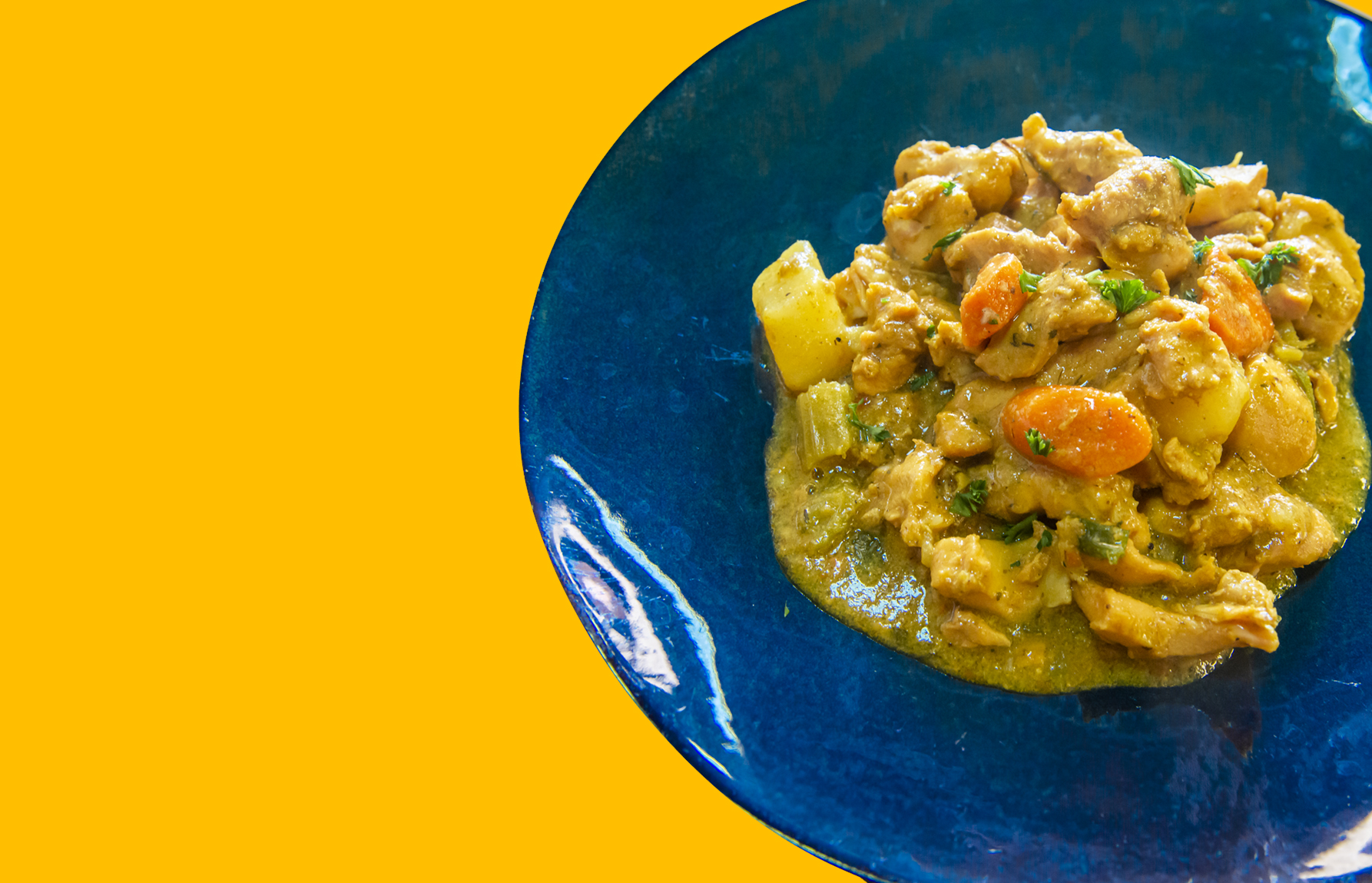
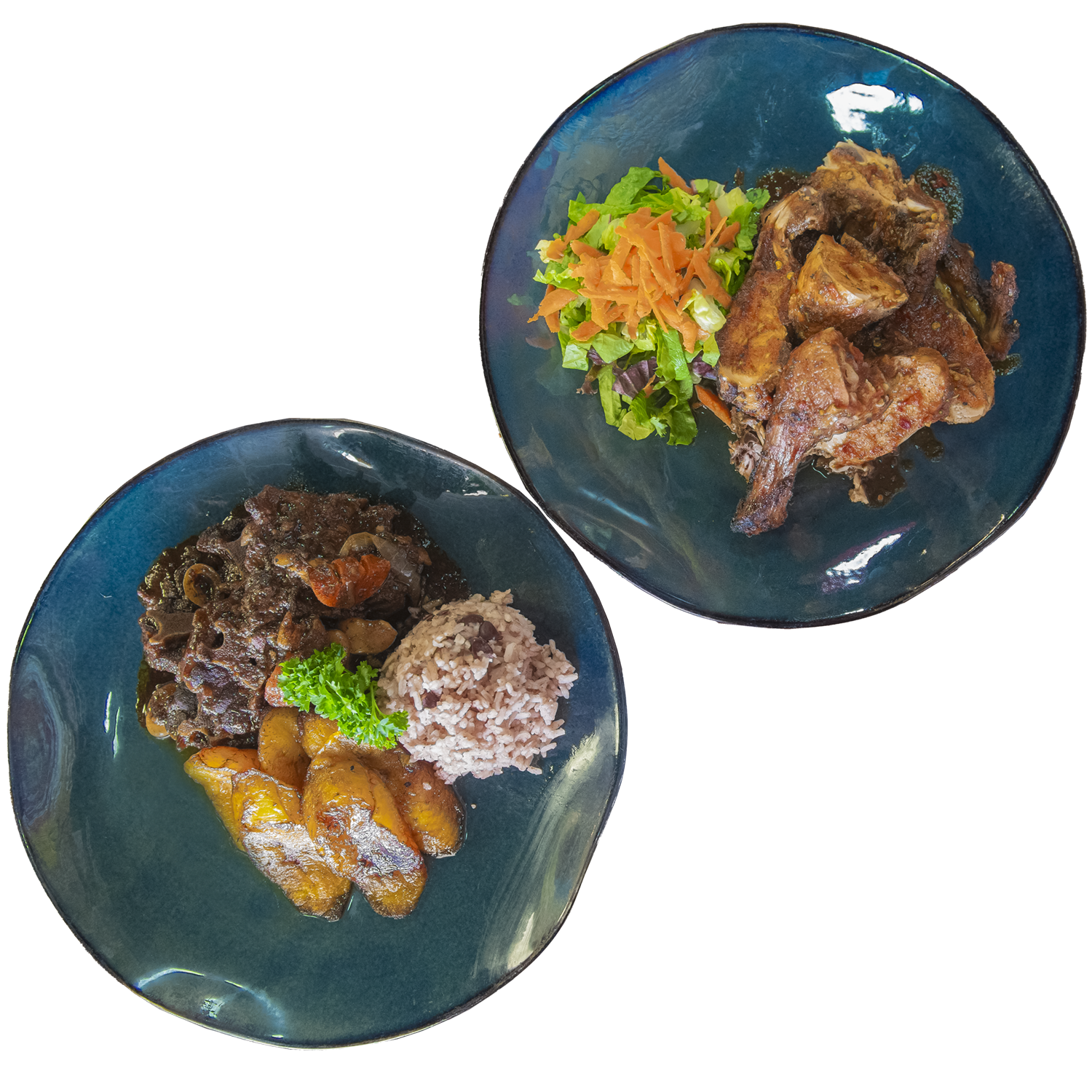
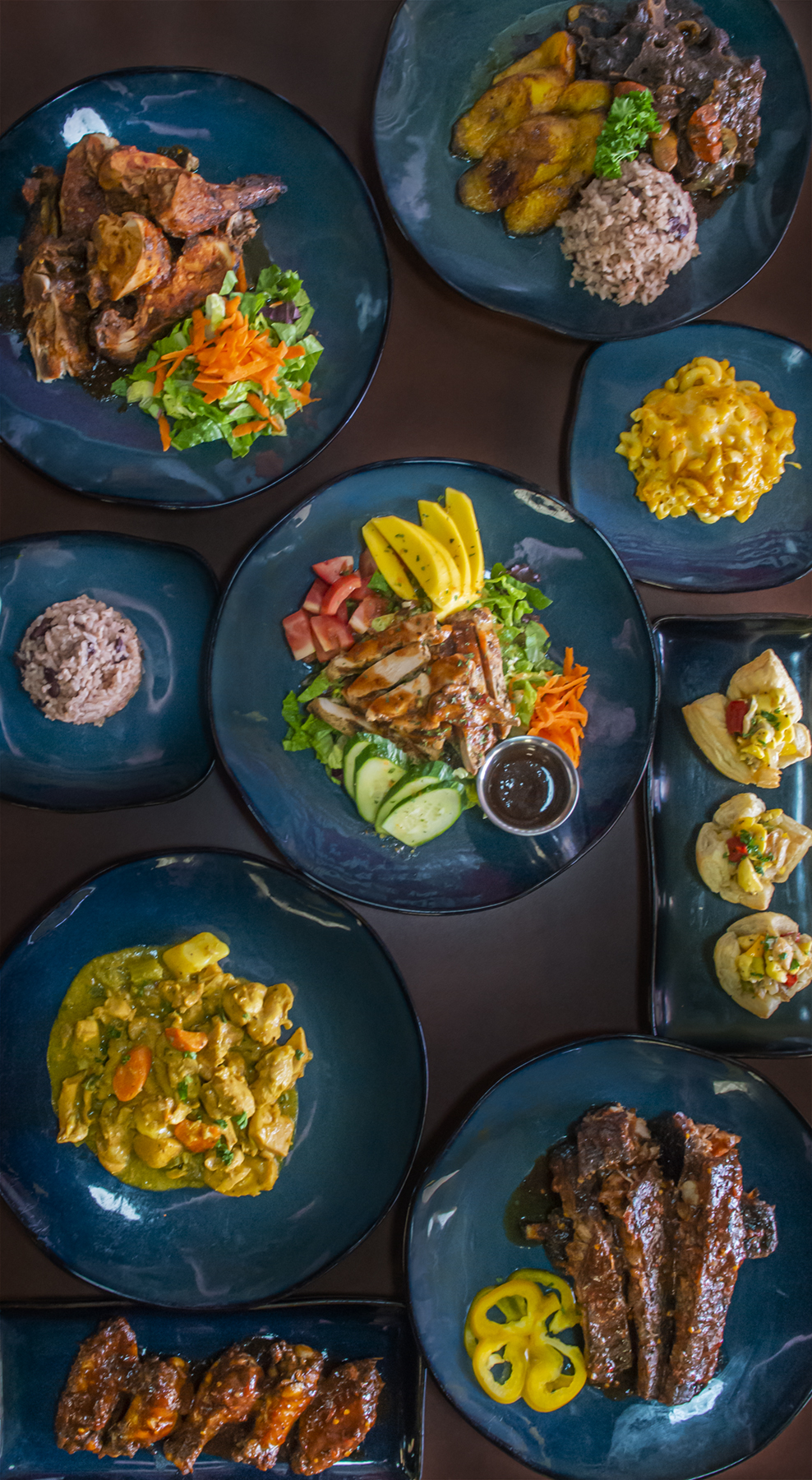
Denver is not the first American city people name when they talk about Jamaican cooking. New York, South Florida, and parts of the Northeast usually dominate that conversation. Even so, anyone who has spent real time eating around the Front Range knows there is a serious appetite here for bold, slow-cooked, peppery, deeply seasoned food. That appetite is exactly why Jamaican food works so well in Denver.
The city’s dining culture rewards intensity. People here love smoke, char, heat, richness, and dishes that feel generous rather than delicate. Jamaican cooking brings all of that, but it also brings something more layered: sweetness against fire, fresh herbs against allspice, tamarind and vinegar against fatty cuts of meat, and the kind of long marination that makes every bite taste finished rather than assembled.
If you are searching for the best Jamaican food Denver has to offer, it helps to know what makes the cuisine distinct, what dishes travel well for takeout, what signs point to a strong kitchen, and how to order in a way that gives you the full experience instead of just a single plate. Denver’s Jamaican scene is still compact compared with larger coastal markets, which makes it even more important to order smart and recognize quality when you find it.
What Jamaican food should taste like
A lot of first-time diners reduce Jamaican food to jerk chicken, and that does the cuisine no favors. Jerk matters, of course. It is one of the world’s great seasoning traditions, built on Scotch bonnet pepper, thyme, scallion, allspice, garlic, ginger, and often soy, brown sugar, or other house ingredients depending on the cook. But a proper Jamaican menu goes much wider than jerk.
The food should taste assertive, not blunt. Heat is common, but heat is rarely the whole point. A well-made curry goat should be earthy and aromatic before it registers as spicy. Oxtail should be rich, glossy, and almost sticky from collagen, with gravy that soaks into rice and peas. Escovitch fish should hit with acid and chile, but the fish itself still needs to taste fresh and crisp. Rice and peas should not read as filler. Done right, they carry coconut, thyme, and savoriness, and they support the rest of the plate without fading into the background.
That balance matters when you are evaluating Jamaican food in Denver. Because the market here is smaller, some places lean heavily on crowd-pleasers or simplify dishes for a broad audience. That does not automatically make the food bad. It does mean you should pay attention to whether the plate still carries the depth, fragrance, and contrast that define Jamaican cooking.
Why Denver is a better city for Jamaican flavors than people assume
Denver’s elevation and climate have shaped its restaurant culture in subtle ways. Diners here often want comfort, substance, and food that feels warming for much of the year. Jamaican dishes deliver that in spades. Braises, stews, curries, fried plantains, patties, and grilled meats all fit naturally into the way many Denver residents eat, especially during colder months.
There is also a practical reason Jamaican food translates well to this city. Much of it travels better than fragile cuisines do. Oxtail, curry chicken, brown stew chicken, and rice and peas usually hold up beautifully during a drive home. Jerk chicken can stay juicy if packed well. Patties remain one of the best grab-and-go foods in any city. In a metro area where many diners are crossing neighborhoods by car and relying on takeout more than in denser cities, that matters.
The result is that Jamaican food Denver diners seek out is often tied not just to flavor, but to usefulness. People want meals that satisfy after work, feed a family, or reheat well the next day. Jamaican cooking excels at all three.
The dishes worth knowing before you order
If you are new to the cuisine, start with the classics, but pay attention to how the kitchen handles them. A great restaurant can reveal itself fast through a few benchmark dishes.
- Jerk chicken, ideally with real smoke, charred edges, and seasoning that penetrates below the skin
- Oxtail, slow-braised until tender, with a dark, savory gravy that coats rice without turning greasy
- Curry goat, fragrant and rich, with meat that yields easily but does not fall apart into mush
- Beef patties, flaky and well-spiced, often the quickest test of how seriously the kitchen takes everyday staples
- Rice and peas with plantains, because side dishes tell you whether the cooking is careful or merely adequate
That short list covers different techniques: grilling, braising, stewing, pastry work, and side dish execution. If a kitchen handles all of them well, chances are good the rest of the menu is in capable hands.
Jerk is more than a spicy marinade
Jerk gets treated casually in too many American restaurants. It ends up as a generic spicy glaze, a dusty rub, or a catchall word for “Caribbean-style.” True jerk has more personality than that. It should smell unmistakably of allspice and thyme. It should have enough pepper to wake up the palate, but also enough sweetness and savoriness to keep the flavor round. The meat should carry smoke if it has been cooked traditionally or in a way that at least respects that lineage.
In Denver, where wood smoke and open-flame grilling already have a strong audience, jerk has a natural advantage. Diners understand char. They appreciate bark on meats and seasoning with backbone. The best jerk chicken in town will not be timid. It will stain the fingers, perfume the car on the ride home, and make you glad the plate came with extra rice.
One point that often gets missed: jerk does not need to be punishingly hot to be authentic. Scotch bonnet peppers bring fruitiness as well as fire. A serious jerk chicken can be balanced enough for a wide audience while still tasting honest. If you want more heat, ask for sauce on the side rather than dismissing the dish as mild before tasting the seasoning itself.
Oxtail, curry goat, and the slow-cooked heart of the menu
If jerk draws people in, the braised dishes are often what make them regulars. Jamaican cooking shines in long, patient preparations. This is where experience in the kitchen shows.
Oxtail should arrive tender enough to pull from the bone with gentle pressure, but not stripped of all structure. The gravy needs to be concentrated, not watery. You want depth from browning, aromatics, and time. Too much sweetness can flatten the dish. Too much salt can make it heavy. The sweet spot is savory, slightly spiced, and almost silky on the tongue.
Curry goat is a different pleasure. It should be fragrant first, with turmeric, curry spices, garlic, onion, thyme, and chile building a perfume that rises from the plate. Goat has a distinct flavor, and a good curry works with that character instead of burying it. In Denver, where some diners may be trying goat for the first time, restaurants sometimes soften the profile. When done well, that adjustment still keeps the dish vivid rather than bland.
Brown stew chicken deserves more attention than it gets. It is not as flashy as jerk or oxtail, but it can be one of the most satisfying things on the menu. Properly made, the chicken tastes seasoned through, and the gravy carries sweetness, acidity, herbs, and browned flavor in equal measure. It is a dish that tells you whether a cook understands restraint. Nothing about it should feel accidental.
Sides are not an afterthought
One of the easiest ways to tell whether a Jamaican kitchen is truly strong is to stop focusing only on the protein. Rice and peas, cabbage, plantains, festival, coco bread, and mac and cheese all reveal discipline.
Rice and peas should have its own identity. Coconut milk is often the key note, but not the only one. Thyme, scallion, and bean cooking liquid all contribute. The grains should be separate and tender, not wet and clumped. When the rice is right, it anchors the whole meal.
Plantains are another tell. Underripe plantains can taste starchy and flat. Overworked plantains can turn greasy. The ideal fried plantain is soft in the middle, caramelized at the edges, and sweet enough to cool down a spicy bite of jerk without becoming dessert.
Steamed cabbage often gets overlooked, but it can be a quiet star. It brings freshness and relief to rich meats. A simple cabbage side that still tastes lively, with enough seasoning to stand on its own, says a lot about the kitchen’s standards.
Then there are patties, which might be the most convenient gateway into Jamaican food Denver commuters can ask for. A good patty feels complete as a snack, but it also acts as a measuring stick. The crust should be flaky and lightly crisp, with color from turmeric or annatto depending on the recipe. The filling should be juicy and spiced, not dry and crumbly.
How to find a great Jamaican spot in Denver
In a city with a smaller Jamaican dining footprint, reputation travels fast, but so does inconsistency. One glowing review does not tell you enough. A place that excels on a good day can slip if staffing changes or if demand spikes on weekends. The smart move is to pay attention to patterns.
Listen for what regulars mention repeatedly. If they talk about the oxtail selling out, that can be a good sign. If they mention long waits but still keep going back, that often means the food justifies the inconvenience. If every comment only praises portion size, be cautious. Large plates can hide mediocre cooking.
Look at how the menu is built. A focused selection often suggests confidence. A place trying to cover several unrelated cuisines at once may still produce good food, but it is harder to maintain excellence across every station. In Denver especially, some Caribbean-leaning menus span multiple islands and American comfort dishes too. That is not a flaw by itself. The question is whether the Jamaican staples still receive the attention they deserve.
Aromatics matter as soon as you walk in. You should smell seasoning, smoke, onions, pepper, thyme, and simmering gravies. If the room smells mostly of fryer oil, that tells its own story.
Ordering for dine-in, takeout, and delivery
Jamaican food adapts well to different formats, but certain dishes shine more in one setting than another. If you are dining in, prioritize anything crisp or freshly grilled. Escovitch fish, fresh patties, and jerk straight off the fire are all at their best when eaten promptly.
Takeout is ideal for braises and curries. Oxtail, curry goat, and brown stew chicken often taste even more integrated after a short rest in the container, as long as they are packed carefully. Rice absorbs sauce during the ride, which can be a feature rather than a flaw.
Delivery is where trade-offs become sharper. Fried items can steam and soften. Grilled meats may cool fast in winter. If you are ordering from across town, lean toward dishes that improve with time rather than deteriorate. In practical terms, that usually means stews over fries, gravies over crisp skins, and sides that retain moisture.
- For dine-in, order jerk, escovitch fish, or patties first
- For takeout, choose oxtail, curry goat, or brown stew chicken
- For delivery, add extra sauce or gravy if the restaurant offers it
- If you are heat-sensitive, ask whether the spice lives in the meat, the sauce, or both
- For a group, mix one grilled item, one braised item, and plenty of sides rather than ordering the same plate repeatedly
That last point matters more than people think. Jamaican meals make the most sense when the table shares contrast. Rich oxtail alone can feel heavy. Rich oxtail beside cabbage, rice and peas, and sweet plantains feels complete.
What authenticity really means in a city like Denver
Authenticity is one of those words that gets thrown around carelessly. In practice, Jamaican food in Denver exists on a spectrum shaped by supply chains, neighborhood demand, owner background, and the need to run a viable business. A dish can be deeply rooted and still adapt to local conditions. That does not make it fake. It makes it restaurant food in the real world.
The more useful question is whether the cooking tastes intentional and informed. Does the jerk reflect a real seasoning philosophy, or is it just spicy barbecue? Does the curry have aromatic depth, or does it taste like generic stew with yellow powder? Are the sides treated as important? Does the kitchen know when to leave things rustic rather than chasing polish for its own sake?
A plate can be adjusted for local preferences and still feel true to the cuisine. Plenty of experienced cooks make those decisions every day. They may moderate heat, swap a side, or simplify presentation without losing the soul of the dish. Denver diners should welcome that nuance instead of treating authenticity like a courtroom verdict.
The role of spice, smoke, and sweetness
One reason Jamaican food keeps winning over new audiences is that it uses contrast so effectively. Denver’s food scene, especially in casual dining, often celebrates boldness without enough balance. Jamaican cooking offers a better model.
Take jerk chicken again. The chile is obvious, but so are the warm spice notes from allspice, the herbal lift from thyme, and the caramelized sugars developed during cooking. Or think about escovitch fish. You get crispy fish, sharp vinegar, soft vegetables, and the bite of pepper all at once. Even a side of plantains is doing strategic work, pulling sweetness into a meal that might otherwise feel too aggressive.
This is why diners who say they “do not usually like spicy food” often end up loving Jamaican dishes. The best versions are not one-note hot. They are layered. They allow sweet, sour, savory, smoky, and spicy elements to share the same plate.
Pairing the meal and building a full experience
A Jamaican meal can be quick, but it does not have to be rushed. If you want the fullest version of the experience, think in textures and temperatures. Start with a patty if one is available. Move into a main plate with rice and peas. Add cabbage or another vegetable to prevent palate fatigue. Include plantains, even if you normally skip sweeter sides. They earn their place.
Drinks matter too, though selections vary. Ginger beer, sorrel when seasonally available, or a cold fruit drink all make sense with the cuisine because they either cut richness or echo spice. Even plain water is not a bad move if you are testing a house-made hot sauce and want your palate clear.
For family-style ordering, variety nearly always beats volume. Two or three different mains with shared sides produce a better meal than one oversized tray of a single dish. That is especially true for first-time visitors trying to understand what distinguishes Jamaican cooking from other Caribbean cuisines.
Common mistakes diners make
The biggest mistake is ordering only jerk chicken and assuming you have seen the whole menu. The second is judging a restaurant solely by spice level. A milder dish can still be expertly seasoned, and a very hot dish can still be clumsy.
Another common misstep is ignoring the sides. People spend time debating oxtail versus curry goat, then accept whatever rice comes with the plate as if it does not matter. It matters a lot. The same goes for cabbage, plantains, and patties. Some kitchens reveal their quality more clearly there than in the main attraction.
There is also a timing issue. If a place https://titusjqgz673.lowescouponn.com/denver-s-hidden-treasures-for-jamaican-food-fans is known for selling out of certain braises, going late may leave you with a distorted impression of the menu. Restaurants that cook in batches, especially smaller independent ones, can run out. That is not always a sign of poor planning. Sometimes it is a sign that the food is being made with realistic limits instead of endless holding.
Jamaican food in Denver is still evolving
Part of the appeal right now is that the scene does not feel overexposed. The best Jamaican food Denver offers still carries a sense of discovery. You may find it in a dedicated Jamaican kitchen, a broader Caribbean restaurant, a market counter, or a neighborhood spot where regulars already know what to order before they walk in.
That stage of growth has advantages. Cooks still have room to define themselves. Diners who care enough to ask questions and return for the deeper parts of the menu can shape demand in a positive way. If more people move past the obvious choices and start ordering curry goat, brown stew chicken, patties, and proper sides with intention, the market gets stronger.
For anyone serious about eating well in this city, Jamaican food deserves a place in the regular rotation. It is flavorful without being trendy, comforting without being dull, and versatile enough to work as a weeknight takeout order or a meal worth driving across town for. The best plates bring smoke, heat, sweetness, savoriness, and patience together in a way that very few cuisines can match. When Denver gets that right, it is memorable.
Reggae Pot Jamaican Grill
Address: 2243 S Monaco St Pkwy #104, Denver, CO 80222
Phone number: +17204102956
FAQ About Jamaican Food Denver
What is typical Jamaican food?
Typical Jamaican food features bold, vibrant flavors created by blending African, Taino, European, and Asian influences.
What is a famous Jamaican dish?
Ackee and saltfish is Jamaica's national dish, made by sautéing the soft local ackee fruit with salted cod, onions, tomatoes, and spicy Scotch bonnet peppers.
What food is most popular in Jamaica?
The most popular and famous food in Jamaica is Jerk Chicken, celebrated worldwide for its smoky, spicy flavor.