Why Jamaican Food Continues to Inspire Cooks Everywhere
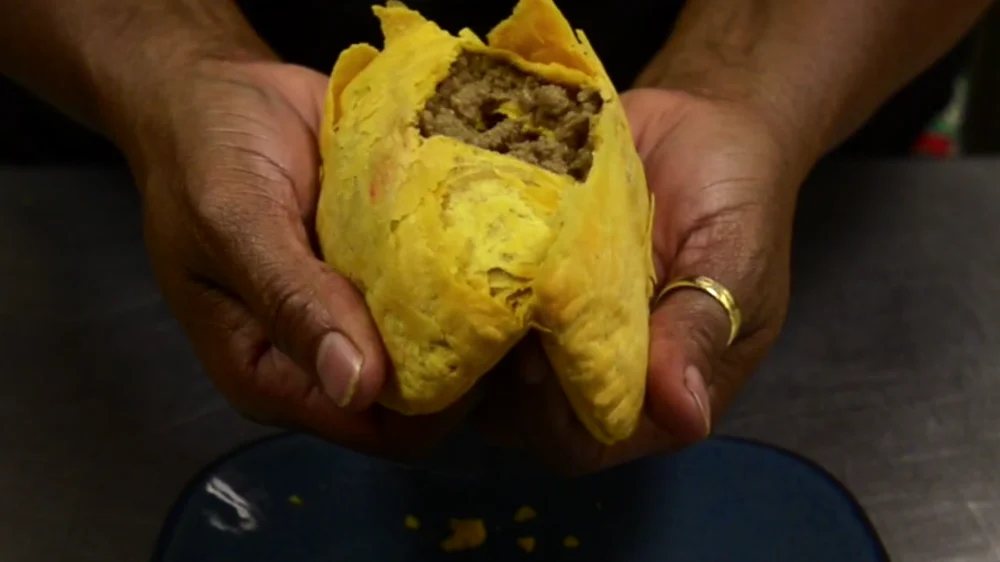
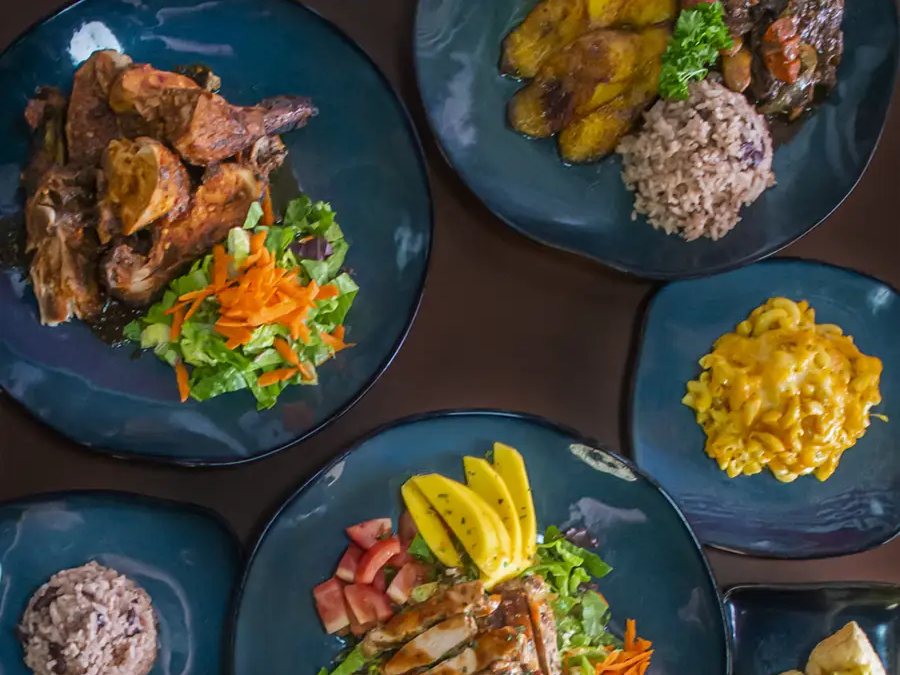
Jamaican food has a way of staying with people. It lingers in memory through smoke, heat, sweetness, and the unmistakable depth that comes from careful seasoning. For many cooks, one first encounter is enough to spark a lasting fascination. It might be jerk chicken sizzling over pimento wood, a bowl of rich oxtail with butter beans, or a humble plate of rice and peas that somehow tastes fuller and more complete than versions made elsewhere. The reaction is often the same. You taste it, you recognize the confidence of the cooking, and you want to understand how it works.
That pull is not accidental. Jamaican cuisine rewards curiosity because it is both generous and exacting. The flavors are bold, but they are not random. The heat has purpose. The sweetness balances. The herbs do more than perfume a dish. Smoke, acid, spice, and time all play defined roles. Cooks everywhere are drawn to food that teaches them something, and Jamaican food teaches constantly. It shows how to layer flavor without losing clarity. It proves that comfort food can still be vivid. It demonstrates that a dish can be deeply rooted in place and still travel beautifully across borders.
Part of its global appeal also comes from the way it reflects history without becoming trapped by nostalgia. Jamaican cooking carries the marks of Indigenous, African, European, Indian, and Chinese influence, among others, yet it reads as fully itself. That matters to serious cooks. They are not just looking for novelty. They are looking for cuisines with internal logic, personality, and range. Jamaican food offers all three.
A cuisine built on memory, adaptation, and force of flavor
No one who spends real time cooking can miss how much Jamaican food depends on memory and instinct. Recipes exist, of course, but some of the best dishes are still guided by feel. A cook knows when the green seasoning smells right. They know whether a curry needs a few more minutes in hot oil before the liquid goes in. They can tell if a pot of stew is heading toward depth or merely saltiness. That kind of knowledge resonates with cooks across cultures because it mirrors the best kind of kitchen experience, where repetition sharpens judgment.
Jamaica’s food history is also one of adaptation under pressure. Limited resources, imported influences, local abundance, and the realities of colonialism all shaped what people cooked and how they seasoned it. The result is a cuisine that values thrift without ever tasting deprived. Tough cuts become luxurious with time. Salted fish becomes a centerpiece. Green bananas, breadfruit, cassava, and callaloo are not side notes but essential ingredients with distinct culinary roles.
This is one reason the food inspires professionals as much as home cooks. It is deeply resourceful. It asks not, “What is expensive?” but “What can be transformed?” In any serious kitchen, that is a powerful lesson. A talented cook can do a great deal with a prime cut and a perfect piece of fish. The greater test is what they do with ingredients that demand patience, seasoning, and respect. Jamaican food has long excelled at that test.
Jerk is more than a flavor, it is a method and a philosophy
If one dish introduced the world to Jamaican food more than any other, it is jerk. Yet reducing jerk to a bottled marinade or a spice label misses the point. Jerk is one of the clearest examples of why this cuisine continues to influence cooks. It is not just about heat. It is about process, balance, and environment.
Proper jerk cooking depends on seasoning that penetrates, not just coats. Scotch bonnet brings fruitiness and fire. Allspice gives warmth and depth. Thyme adds freshness. Ginger, scallion, garlic, and sometimes cinnamon or nutmeg fill out the edges. Then there is smoke, ideally from pimento wood, which gives traditional jerk much of its haunting character. The final result is layered, aromatic, and aggressive in the best sense.
Cooks study jerk because it solves several culinary problems at once. It seasons deeply. It preserves moisture. It produces contrast between charred exterior and juicy interior. It also teaches restraint. Too much sugar in a modern jerk marinade and it burns before the meat cooks through. Too much soy or salt and the profile shifts away from the clean, herbal force that makes jerk distinct. Too little time and the seasoning sits on the surface like a costume.
Many chefs outside the Caribbean first approach jerk as a spectacle, something loud and spicy to excite diners. With experience, they usually come to appreciate its discipline. The best jerk is not chaotic. It is calibrated. I have seen talented cooks ruin good chicken by chasing more heat when what the dish really needed was more allspice, a better rest after marinating, or steadier fire management. Jamaican food often rewards that kind of humility. It reminds cooks that boldness and precision are not opposites.
Seasoning is where the real education begins
Ask cooks what fascinates them most about Jamaican food, and many will eventually arrive at seasoning. Not just spice, seasoning in the fuller sense. The cuisine has an unusually strong command of how flavor develops over time. Marinades, wet rubs, browning, simmering, and finishing all matter. A dish may begin with a base of onion, scallion, thyme, garlic, and pepper, but where it goes depends on sequence.
This is where many people misunderstand the food. They focus on intensity, then miss structure. Jamaican cooking often relies on ingredients that appear in many households around the world, yet the treatment makes the difference. Browning sauce is used carefully to deepen color and slightly sharpen savoriness. Scotch bonnet is handled not only for raw heat but for its fruity profile. Coconut milk softens and rounds a curry. Fresh thyme can pull a pot back into focus after hours of cooking.
Rice and peas is a simple example. On paper, it does not look dramatic. In practice, it reveals a great deal about the cuisine. Properly made, it carries the fragrance of thyme, the richness of coconut, the subtle heat of pepper, and the earthy body of the peas or beans. The grains should be distinct, not mushy, and the seasoning should feel absorbed rather than scattered on top. That level of care for a foundational side dish tells you a lot about Jamaican cooking. Nothing is treated as an afterthought if it is going to share the plate.
For cooks in other traditions, this becomes immediately useful. Once you understand how Jamaican food builds depth in https://felixokzu866.trexgame.net/a-beginner-s-introduction-to-authentic-jamaican-food staple dishes, you start applying those lessons elsewhere. You season beans with more intention. You rethink how herbs and heat behave in rice. You become more attentive to the difference between food that is merely flavored and food that is properly seasoned all the way through.
Smoke, fire, and the value of direct cooking
One reason Jamaican food commands attention in professional kitchens is that it translates beautifully to live fire. The cuisine respects smoke as a flavor, not just a byproduct. That alone makes it attractive to chefs who work over grills, pits, and open flames. Yet Jamaican cooking also reminds them that smoke is only one part of the equation. Wood choice, distance from heat, marination time, sugar content, and airflow all matter.
This matters in an era when fire cooking is sometimes reduced to theater. Jamaican traditions, especially around jerk, make clear that fire demands judgment. Fast heat can crisp skin beautifully, but too much direct flame can turn carefully developed seasoning bitter. Smoke can amplify aromatic spices, but if the wood is wrong or the burn is dirty, the result tastes harsh rather than complex. Good Jamaican cooks know this instinctively.
That practical knowledge inspires others because it is specific and transferable. A chef in London may not have pimento wood, but they can still learn from the principle of matching smoke character to seasoning. A backyard cook in Toronto may not build a traditional jerk pit, but they can still understand how indirect heat protects moisture after an initial char. The food opens a path between tradition and adaptation without losing its core identity.
Jamaican curries show how borrowed forms become something new
Another reason Jamaican food continues to influence cooks is its treatment of curry. Caribbean curries are not copies of South Asian originals, and they were never meant to be. In Jamaica, curry powder evolved through local preference, available ingredients, and the tastes of generations. The result is a style of cooking with its own color, aroma, and logic.
Jamaican curry often begins by “burning” or blooming the curry in oil, a step that wakes up the spice and removes any dusty flatness. Then come the aromatics and the main ingredient, whether goat, chicken, shrimp, or vegetables. Potatoes may appear, not as filler but as a way to absorb and carry flavor. Scotch bonnet may bring a different kind of brightness than the heat used in many other curry traditions. The final dish is often looser and more broth-like than restaurant diners expect, which is precisely what makes it satisfying with rice or roti.
Cooks are inspired by this because it demonstrates how cuisines evolve honestly. Jamaican curry is a case study in adaptation that did not erase origin but transformed it into something rooted in local practice. That kind of culinary confidence matters. It gives permission to respect tradition while acknowledging that migration, trade, scarcity, and preference always shape what ends up in the pot.
The balance of comfort and excitement is hard to replicate
A great many cuisines can deliver comfort. A great many can deliver surprise. Fewer can do both in the same bite. Jamaican food often manages it effortlessly. Think of a plate with braised oxtail, rice and peas, steamed cabbage, and fried plantain. The tenderness of the meat is soothing. The gravy is rich and familiar. Then the thyme, allspice, pepper, and sweet plantain shift the meal into something more vivid. It comforts without dulling the senses.
That balance is one reason diners return to Jamaican food and cooks keep studying it. Food that is only comforting can become monotonous. Food that is only exciting can become exhausting. Jamaican dishes tend to hold the middle ground. Even a breakfast of ackee and saltfish carries this quality. The ackee is delicate and buttery. The salted cod brings depth and edge. Onion, tomato, scallion, thyme, and pepper complete the picture. It feels homey, yet nothing about it is bland or generic.
This balance also makes the cuisine durable in restaurant settings. Diners who may be unfamiliar with some ingredients still understand the pleasure of a stew, a curry, or grilled chicken. At the same time, the seasoning and combinations feel distinct enough to remain memorable. For cooks trying to create food that is approachable without becoming predictable, that is an appealing model.
Diaspora kitchens have carried the cuisine far beyond the island
The story of Jamaican food’s influence is also a story of movement. Diaspora communities in the United Kingdom, Canada, the United States, and elsewhere have introduced generations of people to patties, jerk, stews, porridges, and baked goods. In many cities, a small Jamaican takeaway has done more to educate the local palate than any glossy food trend ever could.
Those everyday establishments matter. They preserve standards, but they also create new points of contact. Someone might first try a beef patty on a lunch break, then later seek out escovitch fish, mannish water, or sorrel at a family gathering or neighborhood restaurant. Over time, dishes that once seemed specific to one community become part of the broader food culture of a city.
Cooks pay attention to this process because it often predicts where food is heading. Long before upscale menus started borrowing jerk spices or using plantain in modern plating, community cooks were serving complete, coherent meals that people returned for again and again. The influence did not begin in trend forecasting. It began with people feeding their communities properly.
That point matters because the most lasting culinary influence usually moves from the ground up. It comes from repetition, trust, and flavor strong enough to survive translation. Jamaican food has done exactly that. Even when adapted, it tends to preserve its signature traits. A patty sold in a convenience shop, a pan of jerk at a street festival, and an elaborate chef’s tasting plate may all differ in context, but the core flavor grammar remains recognizable.
Jamaican food invites interpretation, but it resists dilution
Part of what makes a cuisine globally influential is its ability to travel. Part of what makes it respected is its ability to resist becoming vague. Jamaican food does both. Cooks can borrow techniques, ingredients, and flavor ideas from it, but they quickly learn that careless imitation falls flat.
This is especially obvious with jerk and patties. Many versions sold outside Jamaican communities lean too sweet, too smoky, or too mild. The shape may be right, but the flavor is timid or distorted. The problem is rarely bad intention. More often, it is a failure to understand the dish from the inside. A patty needs a crust that is flaky yet sturdy enough to hold filling. The filling itself should be well seasoned, not just spicy. Jerk should smell of herbs and allspice as much as chile. These details separate influence from caricature.
Serious cooks respect cuisines that demand this level of attention. Jamaican food is generous, but it is not infinitely forgiving. If you leave out the thyme, mishandle the pepper, skip the browning stage, or crowd too many flavors into one pot, the dish tells on you. That honesty is part of the appeal. It keeps the cuisine alive as a craft rather than reducing it to branding.
What professional kitchens learn from Jamaican home cooking
Some of the strongest lessons Jamaican food offers do not come from restaurant technique at all. They come from home kitchens, where repetition sharpens flavor and hospitality shapes the menu. There is a kind of practical excellence in these kitchens that professionals increasingly admire.
A family cook knows how to stretch a meal without making it feel stretched. They understand that one braise can improve overnight, that a hot pepper can season a pot without being broken open, and that starches are not neutral but active parts of the meal. They know when to pair rich meat with something acidic, when to add sweetness through ripe plantain, and when to let a simple cabbage side provide relief from heavier flavors.
These are not flashy insights, but they are the sort that make food better day after day. Restaurant chefs often rediscover them after years spent chasing novelty. A well-run Jamaican kitchen rarely confuses complexity with clutter. It values forceful flavor, yes, but also rhythm on the plate. Heat next to coolness. Richness next to freshness. Soft textures next to crisp ones. Once cooks notice that rhythm, they start applying it everywhere.
Ingredients with unmistakable character
Jamaican food also inspires because its ingredients have strong identities. Scotch bonnet is not interchangeable with a generic hot pepper. Allspice in Jamaican cooking is not a background baking spice but a central savory note. Callaloo brings a texture and mineral quality of its own. Green banana, cassava, bammy, breadfruit, and festival each occupy distinct places in the meal rather than acting as blank starches.
That ingredient clarity gives cooks more than flavor ideas. It teaches them to think more carefully about substitution. Sometimes adaptation is necessary. Good cooks make thoughtful swaps all the time. But Jamaican food reveals that every substitution changes the shape of a dish. If you replace Scotch bonnet with a harsher chile, you may keep the heat and lose the fruit. If you skip allspice in jerk, the result may still be spicy grilled chicken, but it is no longer carrying the same profile.
This discipline helps explain why the cuisine earns such loyalty. It is expressive because its ingredients are expressive. Cooks who care about identity in food find that compelling.
Why the fascination keeps growing
The continued rise of Jamaican food in global cooking is not a mystery. The cuisine offers immediate pleasure, but it also stands up to study. It satisfies casual diners and obsessive cooks alike. You can love it on first taste, then spend years refining your understanding of it.
It also arrives at a moment when many cooks are hungry for food with backbone. They want dishes that mean something, that come from somewhere, and that still adapt without losing themselves. Jamaican food fits that desire exactly. It is rooted, vibrant, practical, celebratory, and technically instructive. It has street food brilliance, home kitchen wisdom, and enough depth to challenge even experienced professionals.
Most of all, it reminds cooks of a truth that can get buried under fashion and noise. Great food does not need to be complicated to be profound. It needs conviction. Jamaican cooking has that in abundance. You taste it in the smoke of proper jerk, in the silk of stewed oxtail, in the perfume of rice and peas, in the brightness of escovitch, and in the golden crust of a good patty. That conviction is why the cuisine keeps traveling, keeps teaching, and keeps inspiring cooks everywhere.
Reggae Pot Jamaican Grill
2243 S Monaco St Pkwy #104
Denver, CO 80222
+1 720-410-2956
FAQ About jamaican food
What is the best Jamaican food to try in Denver?
The best choice depends on your tastes. Popular options include jerk chicken, curry goat, slow-cooked oxtail, and savory patties. Reggae Pot lists these dishes on its menu, with sides such as rice and peas and plantains. Ask the Denver team about current availability and spice levels.
Is Jamaican food very spicy in Denver?
Heat varies by dish and preparation. Jerk seasoning often includes scotch bonnet peppers alongside herbs and allspice, while other dishes may have gentler seasoning. Ask about the heat of the specific dish and any sauce before ordering.
What are some popular Jamaican snacks?
Jamaican patties are a popular snack made with flaky pastry and savory meat or vegetable fillings. Other options include fried dumplings and festival, a sweet fried dough often served with savory dishes. Availability varies, so check the current menu when ordering.